Assabet Woolen Mill – Maynard
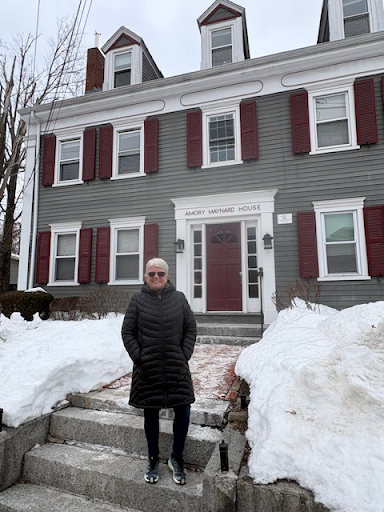
I have a kindred history explorer in my daughter Erin. We have traveled both near and far, and this time she invited me to Maynard, a small mill town she visits often for lunch. I’ve driven through countless times, but never stopped to walk its streets, linger by the river, and ask the deeper questions: What made Maynard?
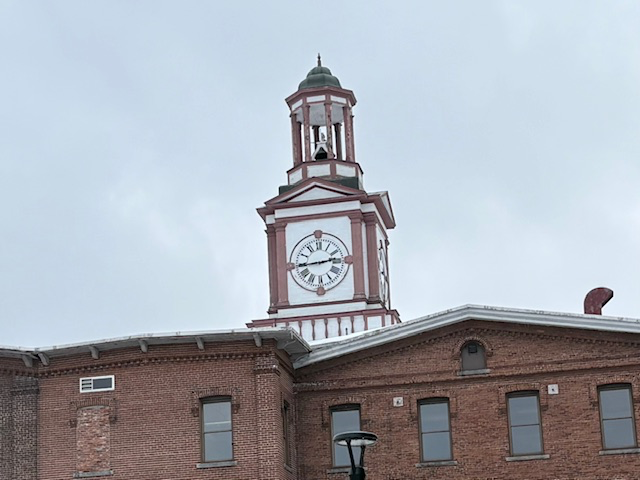
Standing near the rushing Assabet River, framed by long brick factory walls and towering windows, the scene is familiar: this is the classic story of America’s industrial age – waterpower, brick, ambition, and labor. The mills told a story I’d seen across New England.
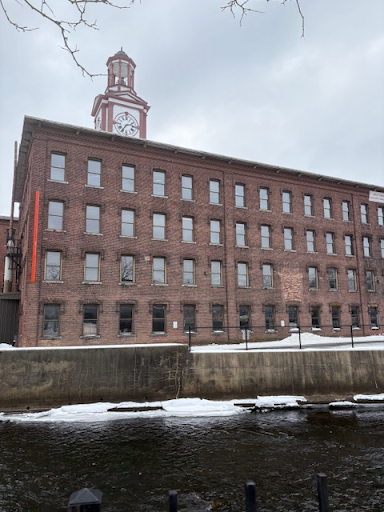
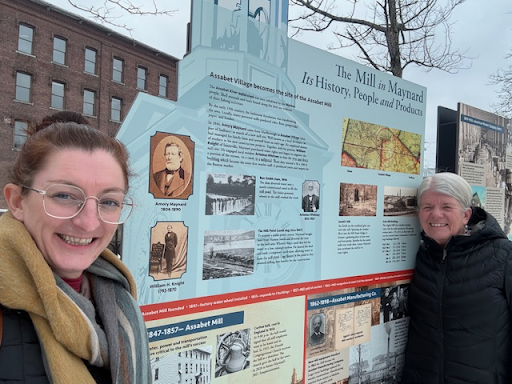
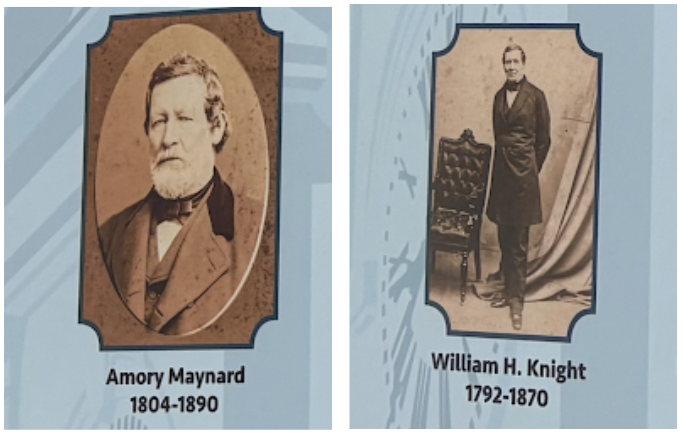
Before Maynard existed, this land belonged to nearby farming communities. Everything changed in the 1840s when textile entrepreneur Amory Maynard saw promise in the steady current of the river. Partnering with master mill builder William Knight, he constructed what became the Assabet Woolen Mill in 1846-47. The factory complex, solid structures designed to house spinning frames, looms, dye rooms and finishing shops, turned the quiet farmland into one of Massachusetts’ most productive industrial sites.
Inside those walls, raw wool was transformed into finished cloth. The Assabet Woolen Mill specialized in heavy woolen fabrics: blankets, flannels, uniform cloth and industrial textiles that were shipped throughout the country. At its height in the late 19th century, the operation was among the largest wool manufacturers in the United States, employing hundreds of workers.
Housing sprang up nearby. Stores, churches and schools followed. An industrial village emerged, and in 1871, the growing settlement separated from the neighboring towns and incorporated, taking the name Maynard in honor of the man whose vision and capital had sparked it all.
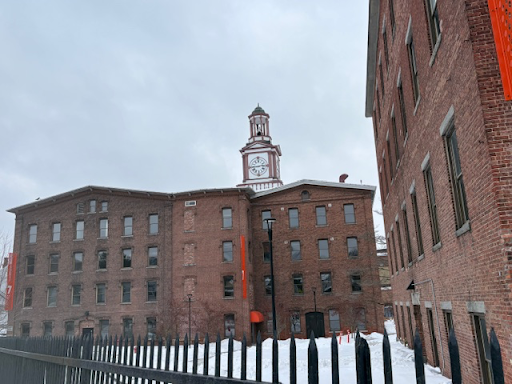
For decades, wool was the town’s heartbeat. By the 20th century, as the New England textile industry declined, the Assabet Woolen Mill gradually slowed. By the mid-20th century, large-scale wool manufacturing had ended, leaving behind acres of brick buildings – monuments to a different economic era.
Like so many former factory towns, Maynard reinvented itself. The old industrial spaces have found new lives as offices, apartments, studios and technology hubs.
Walking through Maynard with Erin, we uncovered the layers beneath a place. I was reminded that curiosity is what keeps learning and exploration alive, and that sometimes the richest stores live in the towns we pass through again and again until one day, we finally stop to look.