Arc de Triomphe – Paris France
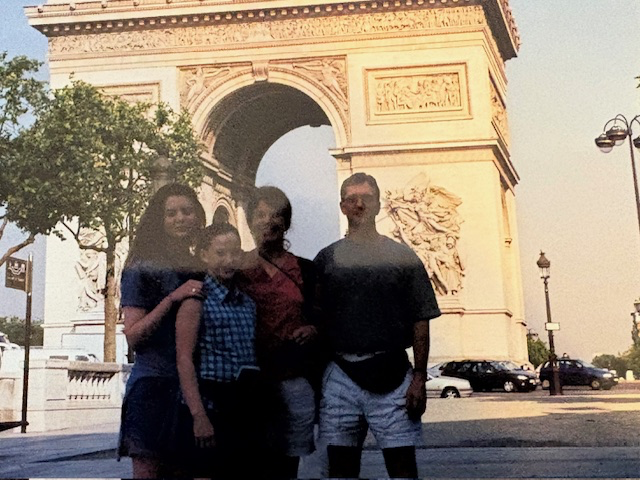
Few landmarks instantly signal a visit to Paris quite like the Arc de Triomphe. It appears again and again in family photographs, historic parade scenes and images of victory marches. Standing at the western end of the Champs-Elysees, the great arch stands where French history unfolded.
The story of the Arc begins in 1806, when Napoleon Bonaparte ordered its construction after his triumph at Austerlitz. Inspired by the triumphal arches of ancient Rome, he envisioned a colossal tribute to the French armies. Napoleon, himself, would never see the structure finished. It was completed in 1836 under King Louis-Philippe and would come to represent not one ruler, but the nation itself.
As we walk around the base of the monument, its purpose is marked in the stone. There we see the names of hundreds of generals and battles carved into its pillars along with relief sculptures of famous figures.
In the twentieth century, the Arc took on a more solemn role. In 1921, the Tomb of the Unknown Soldier of World War I was placed beneath its vault, and an eternal flame was lit in remembrance of those who died without being identified.
The Arc itself is not hollow, it contains a museum within its massive walls. Inside there are exhibits that trace the history of its construction. Climbing just a bit higher, on the rooftop terrace, is a view of the twelve avenues that radiate from the monument like spokes on a wheel.
The Arc de Triomphe has framed triumphal parades after world wars, welcoming visiting heads of states and hosting national events. Standing beneath this arch, is standing with French history.

Read More From Nancy
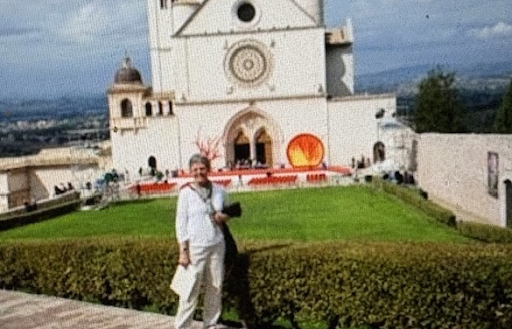
Basilica of St Francis: Assisi, Italy
The Basilica of Saint Frances of Assisi was built after the death of Saint Francis of Assisi in 1226. St Francis had lived a life defined by humility, poverty and service to others, and his followers wanted a place that could honor him as well as welcoming pilgrims from across Europe. Construction began in 1228, soon […]
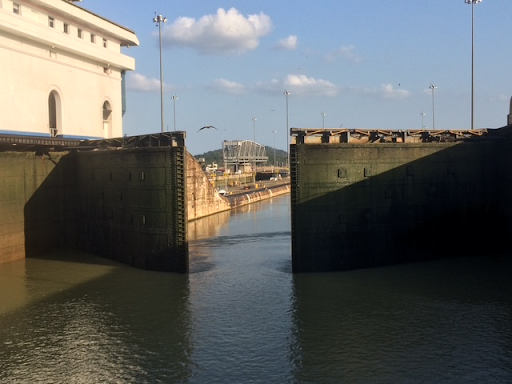
Panama Canal
The day we spent on the Panama Canal was unforgettable. The moment those massive gates close behind us and we begin to rise, lifted by nothing more than gravity-fed freshwater, we understand that we are stepping into an important chapter in world history. Moving through the locks, you can see there are no pumps or motors. The natural […]
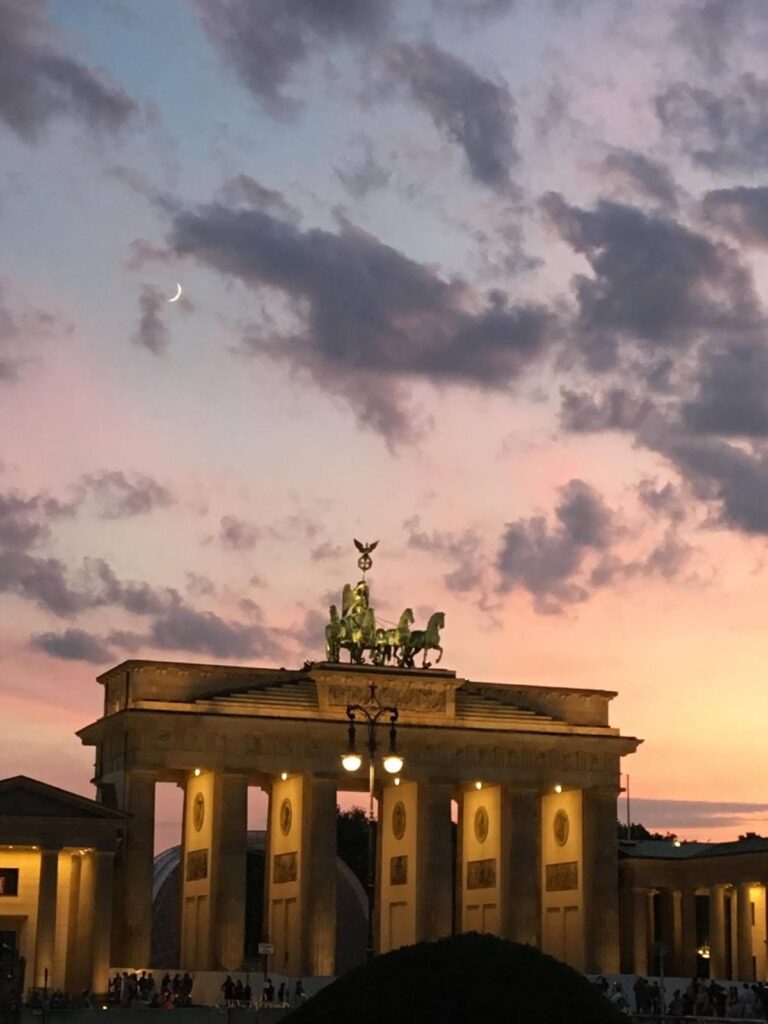
Brandenburg Gate – Berlin Germany
While visiting Berlin, the Brandenburg gate quickly becomes more than just a landmark, it becomes a focal point of the city’s history. Standing at Pariser Platz, we faced a structure built between 1788 and 1791 under King Frederick William II of Prussia. Designed by architect Carl Gottheard Langhans, the gate was inspired by classical Greek architecture. Its […]

