Booker T. Washington National Monument
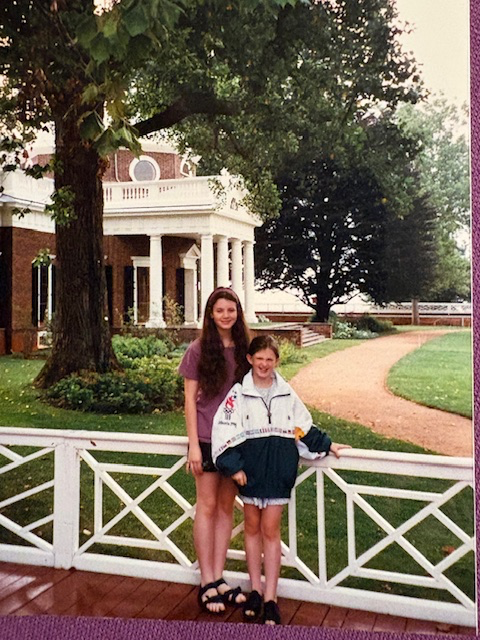
During our 1996 family road trip to Atlanta for the Olympic Games, one of the historic sites we stopped along the way was Booker T. Washington National Monument in rural southwestern Virginia. Tucked into the rolling countryside, the site preserves the birthplace and early childhood environment of one of the most influential African American leaders in American history.
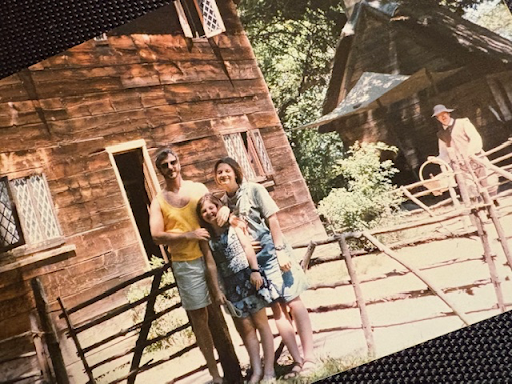
Booker T. Washington was born into slavery in 1856 on this tobacco farm in Franklin County. Though the original structures no longer stand, the National Park Service has reconstructed period building to help visitors understand life on a mid-19th century Virginia farm.
Walking the grounds, we get a powerful context for Washington’s later achievements as an educator, author and founder of Tuskegee Institute. This site focuses on his beginnings rather than his later accomplishments. It centers on the conditions from which Washington emerged: hard labor, limited opportunity and hunger for education. Interpreting from this vantage point, we can understand the extraordinary distance Washington traveled after emancipation.
This site was formally established as a National Monument on April 2, 1956, when Dwight D. Eisenhower signed the legislation creating it. The designation recognized the national importance of Washington’s life and legacy and ensured that his story would be preserved and interpreted for future generations
As our family traveled to a global event, like the Olympics, stopping at the Booker T. Washington Site provided a powerful historical counterpoint. American progress has been shaped not only by grand moments, but also by individuals who rose from the most difficult beginnings.