Marsh-Billing-Rockefeller National Historical Park
Marsh-Billing-Rockefeller National Historical Park is the only National Park Service site in Vermont. Unlike other parks created to preserve wilderness or historic battles, this park tells the story of the birth and evolution of conservation through stewardship.
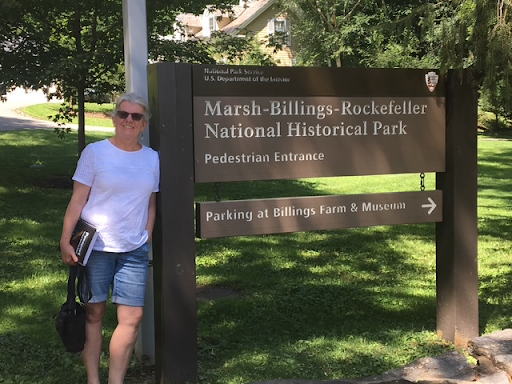
In the early 19th century, George Perkins Marsh, who grew up on this land, published the book: Man and Nature. He introduced the revolutionary idea that nature requires thoughtful care, and his work laid the intellectual foundation for modern conservation.
Later in the 1800s, the property was purchased by Frederick Billings. Much of Vermont’s hillside had been deforested and Billings began a deliberate program of reforestation and soil restoration. The estate became a working model that proved that forest could be productive and healthy when managed with intention.
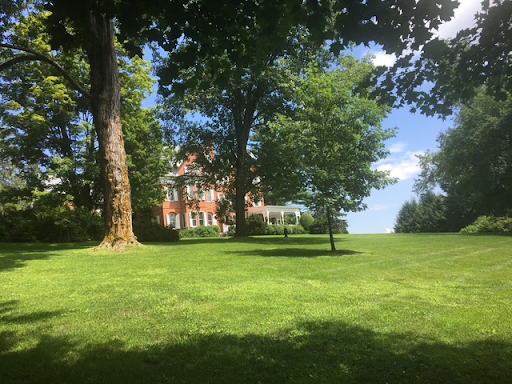
In the 20th century, stewardship passed to Laurance and Mary Rockefeller, some of the most influential conservationists in American history. They played a role in expansion and protection of the National Park System. Here in Vermont, they continued the legacy of careful land management.
The Rockefellers chose not to keep the estate to themselves but donated the property to the American people. In 1992, the estate was designated a National Historical Park and signed into law by George H. W. Bush.
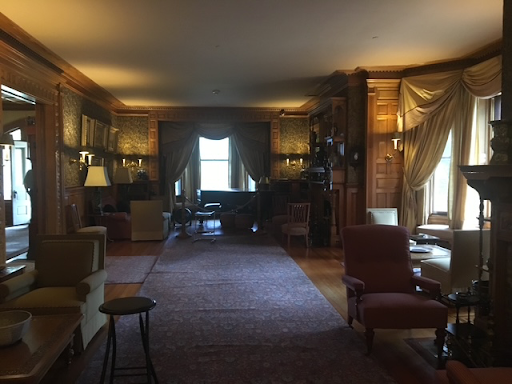
This site became the first and only national park dedicated to the history of conservation itself and is a living testament that caring for the land is an act of citizenship.
Read More From Nancy
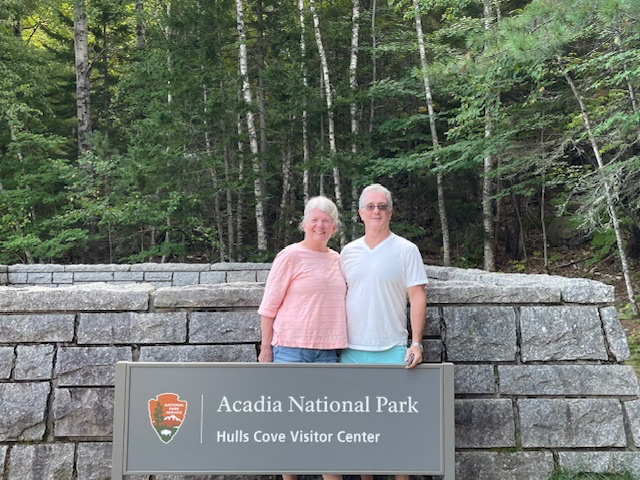
Acadia National Park
The only designated National Park in the Northeast, Acadia National Park, is another spectacular place. There are sweeping ocean views and granite. Mountains rise from the sea, while waves crash against ancient rock. Long before Acadia became a national park, the rugged coastline and granite mountains of Mount Desert Island drew wealthy summer residents and by […]

Governors Island National Monument
Looking across New York Harbor, it is easy to understand why Governors Island has been considered strategically important for centuries. Positioned between Lower Manhattan and Brooklyn, the island occupies one of the most valuable locations on the East Coast. Whoever controlled this small island helped protect the harbor that would become one of the busiest […]
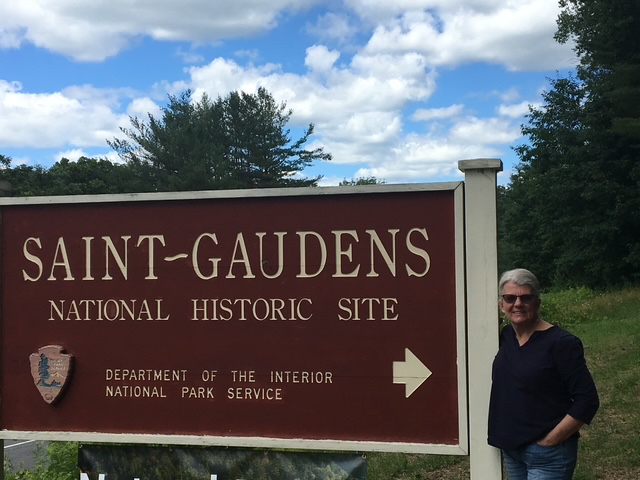
Saint Gaudens National Park
The Saint-Gaudens National Historical Park is a place I have returned to many times. Any excuse to be near Cornish, New Hampshire feels like a good reason for a repeat visit. It is not simply a museum or preserved home, but a living landscape shaped by creativity and collaboration. The park centers on the home, […]

