Pullman National Monument
While teaching in Chicago in 2018, we took a trip to Pullman National Monument, a relatively new addition to the National Park Service at the time.
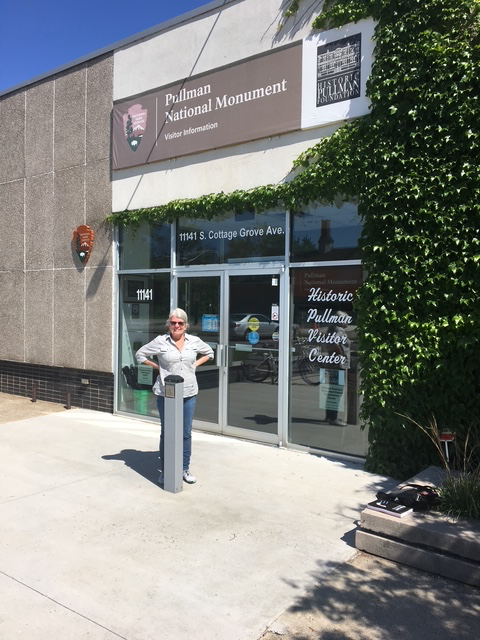
The Pullman community was a grand idea. It was created in the 1880s by George Pullman, founder of the Pullman Palace Car Company. His vision was to create a model industrial town for his workers. The neighborhood included well-built brick homes, landscaped streets, a library, church and access to sanitation, these were rare for working-class families at the time.
Pullman believed a carefully designated environment would create better workers, and a better society. In many ways, the town was ahead of its time, but Pulman owned everything: the homes, stores and public buildings. The workers had little control over their lives.
The tension between idealism and control came to a head during the Pullman Strike of 1894. After an economic downturn, Pullman cut wages and did not reduce rents in company-owned housing. Workers protested, negotiations failed and the strike escalated into a nationwide labor conflict involving railroads across the country.
The federal government intervened with troops. Violence followed and the strike ended with defeat for the workers. This strike exposed the imbalance of power between labor and industry and became a turning point in the American labor movement.
Pullman was designated a national monument in 2015, when Barack Obama used the Antiquities Act to bring the site into the National Park Service. This site preserves a place where ideas about work and dignity collided.
Read More From Nancy
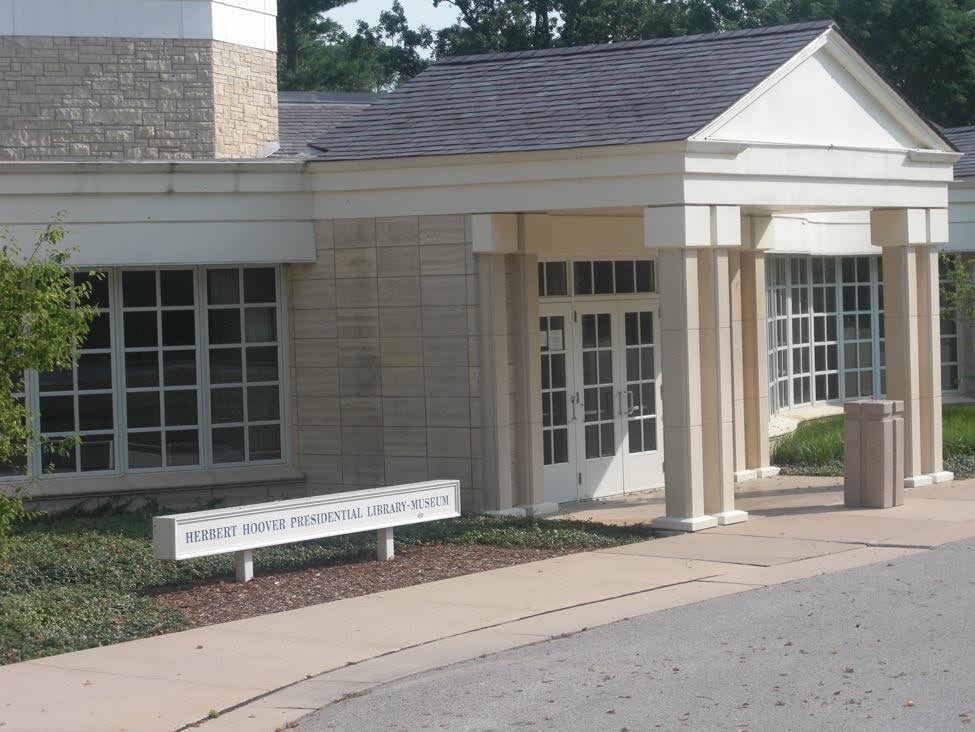
Herbert Hoover National Historic Site
At the Herbert Hoover National Historic Site, I saw not just the resting place of a president, but also the beginning of his life. Located in the small town of West Branch, Iowa, the site preserves the humble Quaker community where Herbert Hoover was born in 1874. Hoover’s grave site one a quiet hillside overlooking […]
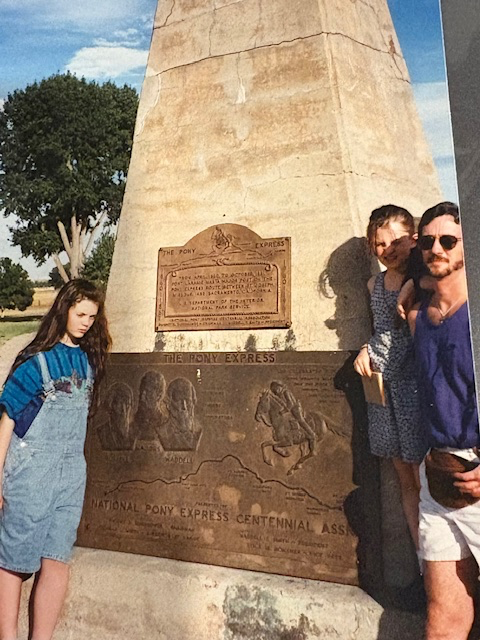
Pony Express National Historic Trail
In the wide-open landscapes of the American West, communication was once slow, uncertain, and often perilous. Long before telegraph wires stretched across the continent, letters were the only way to stay connected across the plains, deserts and mountain ranges. Carrying the mail by horseback became one of the boldest experiments in frontier logistics ever attempted. This […]
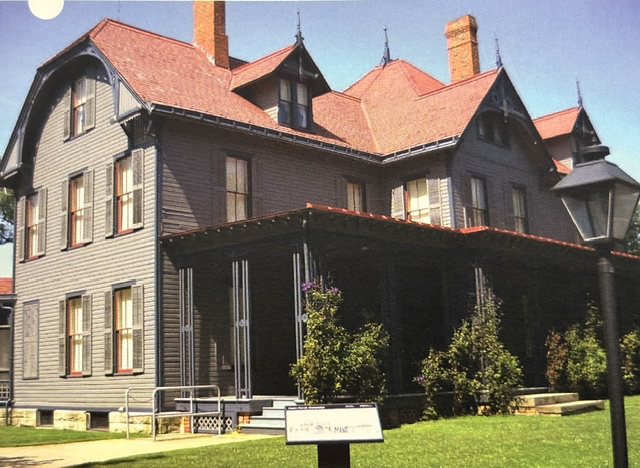
James A. Garfield National Historic Site
When my love for National Parks combines with my fascination with the lives of our presidents, I am always willing to travel out of my way to explore. During a family cross-country trip, we made a stop at the James A. Garfield National Historic Site in Mentor, Ohio, to learn more about one of America’s […]

