Saint Gaudens National Park
The Saint-Gaudens National Historical Park is a place I have returned to many times. Any excuse to be near Cornish, New Hampshire feels like a good reason for a repeat visit. It is not simply a museum or preserved home, but a living landscape shaped by creativity and collaboration.
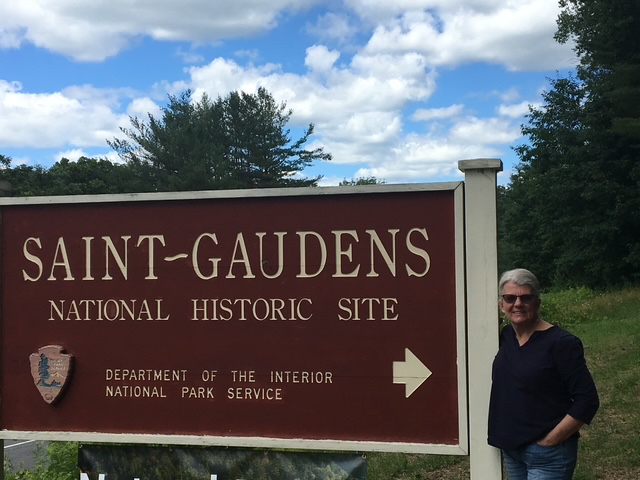
The park centers on the home, studios and gardens of Augustus Saint-Gaudens, one of America’s most important sculptors. Born in Dublin and raised in New York, Saint-Gaudens came to Cornish in the late 19th century seeking relief from illness. What he found instead was a setting that allowed his work to flourish. The rolling hills of New Hampshire proved fertile ground for sustained creative work.
This Cornish estate became an active sculpture site. Models were created here, plaster casts refined and major commissions brought to life. Walking the grounds today, sculpture feels integrated into the landscape.

What makes the site compelling is its role in a broader cultural movement known as the Cornish Colony. By the 1890s and early 1900s, artists, writers, architects and intellectuals were drawn to this part of New Hampshire. Saint-Gaudens became a central figure in this community. His presence attracted others who valued craft and shared purpose.
Members of the Cornish Colony included painters such as Maxfield Parrish who gathered seasonally to work, exchange ideas and challenge one another. Many of Saint-Gaudens’ own work was developed and refined here in Cornish. Whether commemorating the Civil War or Abraham Lincoln, he combined classical form with emotional depth.
Saint-Gaudens National Historical Park became a national park site in 1965 and signed into law by President Lyndon Johnson. This is the only National Park located in the state of New Hampshire and is acknowledged for Saint-Gaudens’ work and the creative community that formed around him in Cornish.
Read More From Nancy
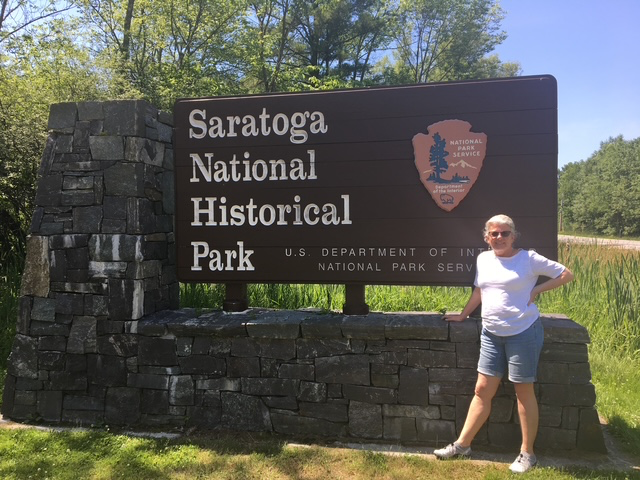
Saratoga National Historical Park
In New York lies the Saratoga National Historical Park, a place where one of the most important turning points in American history unfolded. It was here in 1777, that American forces met the British army during the American Revolutionary war and achieved a victory that would change the course of the war. More than a battlefield […]
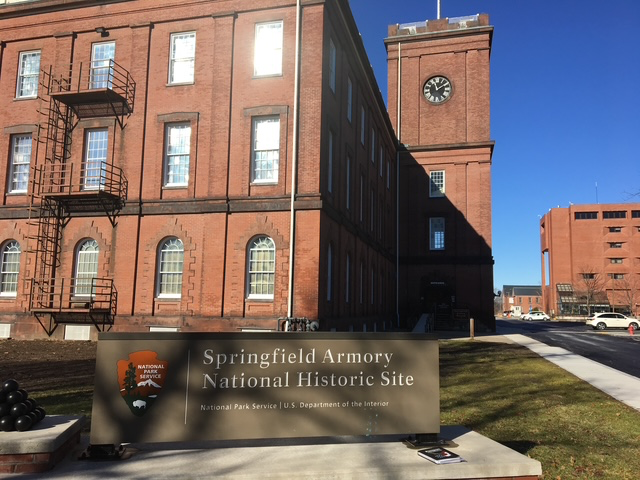
Springfield Armory National Historic Site
I have visited the Springfield Armory National Historic Site a few times over the years. I have left with a deep appreciation of how this place shaped American history. Founded in 1794, at the direction of George Washington, the Springfield Armory became the center of American military manufacturing for nearly two hundred years. During its […]

Freedom Trail
My journey through the national parks may have begun with Minute Man, but it didn’t end there. Here in Massachusetts, we embrace our colonial past, and whenever friends visit, I love to take them to Boston and walk the Freedom Trail. This 2.5-mile path winds through the city’s streets, marked by a red line that […]

