Panama Canal
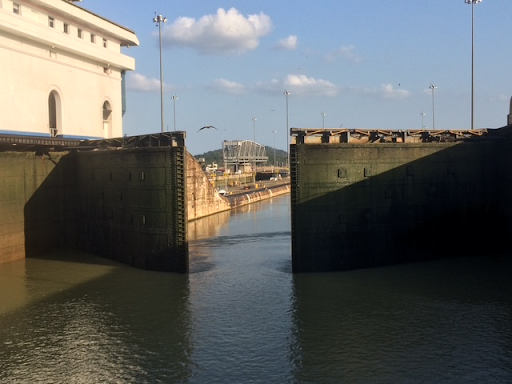
The day we spent on the Panama Canal was unforgettable. The moment those massive gates close behind us and we begin to rise, lifted by nothing more than gravity-fed freshwater, we understand that we are stepping into an important chapter in world history.
Moving through the locks, you can see there are no pumps or motors. The natural pull of gravity feeds 26 million gallons of water in and out of each chamber. Each movement was perfectly choreographed.
What should not be forgotten in this engineering feat, is the staggering human cost that made the canal possible. During the first attempt by the French between 1881 and 1889, as many as 20,000 to 22,000 workers lost their lives. Most were victims of yellow fever, malaria and the brutal conditions of carving a path through dense rainforest.
When the Americans took over, in 1904, the challenges remained immense and another 5,600 workers died during the decade long effort to complete the canal. More than 22,000 people gave their lives to turn this narrow strip into a corridor connecting two oceans.
Before the Panama Canal existed, ships traveling between the Atlantic and Pacific Ocean, had to sail around the entire continent of South America, navigating the waters of Cape Horn. Cape Horn was infamous for its unpredictable winds and waves and treacherous navigation. Many ships never made it through.
By the time we excited the final lock, I was left with respect for the vision, innovation and determination behind this extraordinary place. The canal is a an engineering triumph and a symbol of what humanity can do with persistence.