Graceland
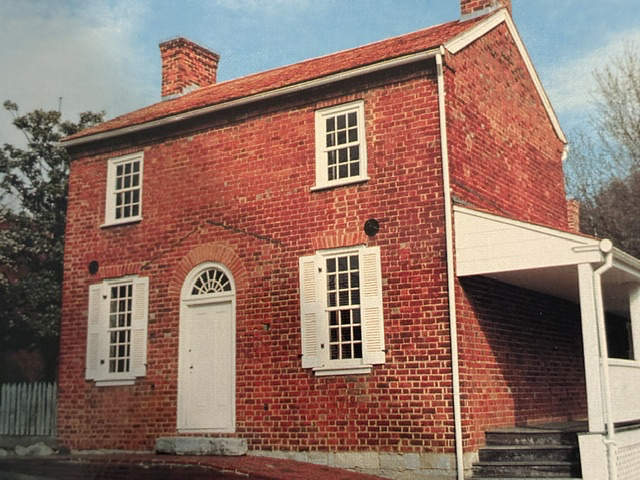
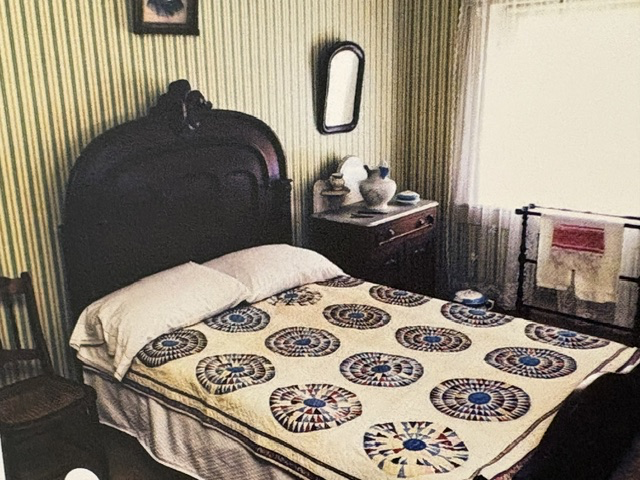
First visit to Memphis almost must include a stop at Graceland. On that same road trip, we also visited Elvis Presley’s birthplace in Tupelo, Mississippi, making it possible to follow the story of his life from its beginning to where he is laid to rest.
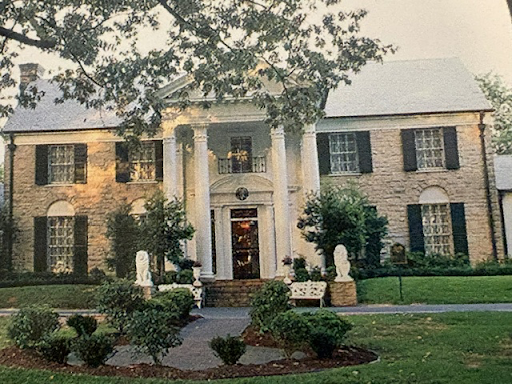
The house itself was every bit as memorable as its history. Built in 1939 in the Colonial Revival style, Graceland has an elegance that feels both grand and surprisingly personal. The white columns, limestone exterior, and sweeping front lawn create the image of a Southern estate, yet once inside, the rooms reflect Elvis’ own personality rather than a designer’s vision. Each room tells a different story. Walking through the home, it is easy to imagine that this was more than a tourist attraction; it was the place Elvis called home.
There were many memorable parts of the estate that celebrate one of the most influential entertainers of the twentieth century. One display has stayed with me more than others. Inside the museum was an exhibit showing the countless charitable donations Elvis made throughout his life. Display after display documented checks he wrote to churches, hospitals, children’s organizations, families in need, and countless individuals who simply crossed his path. It was a side of Elvis that received far less attention than his fame, but one that revealed his generosity and compassion.
Graceland is often remembered for its music, the iconic home, and the enduring legacy of the “King of Rock and Roll.” For me, it became something more. It was the place where I came to understand the man behind the celebrity: a son who never forgot his roots, a performer who changed popular music, and someone who quietly used his success to help others