Eugene O’Neill National Historic Site
America’s only Nobel Prize winning playwright, Eugene O’Neill, made his home at Tao House during the height of his writing career. In this secluded retreat overlooking California’s San Ramon Valley, O’Neill found the peace and inspiration to create many of the works that secured his place among the giants of American literature. Between 1937 and 1944, he wrote his final and most memorable plays, including The Iceman Cometh, Long Day’s Journey Into Night and A Moon for the Misbegotten.
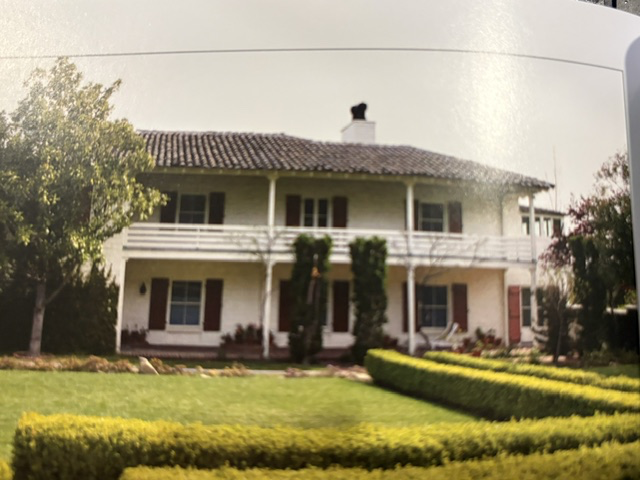
One of the most poignant stories connected to Tao House is that O’Neill never saw some of the masterpieces performed. Suffering from a debilitating neurological condition that eventually prevented him from writing, he withdrew from public life and left strict instructions that Long Day’s Journey into Night is not published until twenty-five years after his death. His widow, Carlotta, later authorized its earlier publication, and the play went on to win the Pulitzer Prize in 1957, for years after O’Neill’s death. Today it is regarded as one of the greatest plays ever written in the English language.
Visiting Tao House is itself part of the experience. Because the home sits within a gated residential community and is inaccessible by private automobile, visitors must reserve a tour in advance and are transported to the site by shuttle. The arrangement preserves much of the quiet isolation that O’Neill sought when he chose this hilltop retreat.
Established as a National Historic Site in 1976. Tao House preserves not only the home of America’s only Nobel Prize winning playwright, but also the place where some of the most enduring works of twentieth century theatre were born.