Custom House
Standing near Salem Harbor, the historic Salem Custom House rises in the background, a reminder of the period when Salem was one of the most important seaports in the United States. During the late eighteenth and early nineteenth centuries, ships from Salem traveled around the globe, bringing goods from China, India, Southeast Asia and Europe. The wealth generated by this international trade transformed the city into one of America’s leading maritime centers.
The Custom House played a vital role in this prosperity. Built in 1819, it served as the federal office where customs duties were collected on imported goods arriving in Salem’s busy harbor. At a time when tariffs provided a major source of revenue for the federal government, the work performed here was essential to both the local economy and the nation’s finances. Merchants, ship captains and custom officials all passed through its doors as Salem’s ships connected New England to the wider world.
The building is also associated with the Nathaniel Hawthorne. Hawthorne worked at the Salem Custom House from 1846 to 1849 as Surveyor of the Port. Although he did not enjoy the position. His experiences there later inspired the essay, “The Custom House,” which appears at the beginning of The Scarlet Letter. In that essay, Hawthorne described the building, its workers and the atmosphere of the aging port, forever linking the Custom House to American literary history.

The photo captures my daughters during one of our visits to Salem. Our homeschooling road trips took us to the places where the stories of America’s past remain visible. Here along the waterfront of Salem, it is easy to imagine the ships that once filled the skyline.
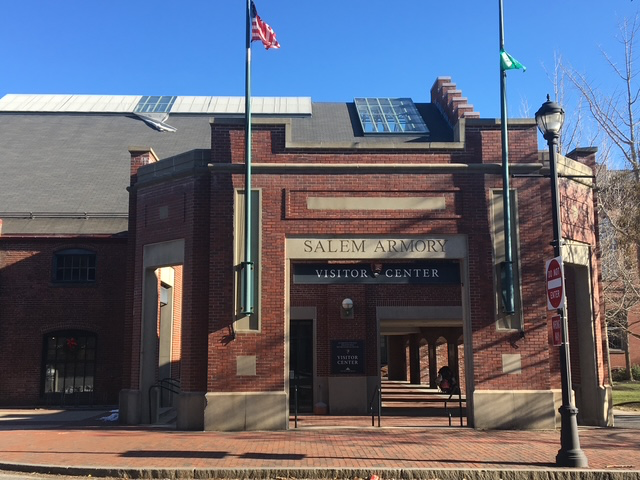
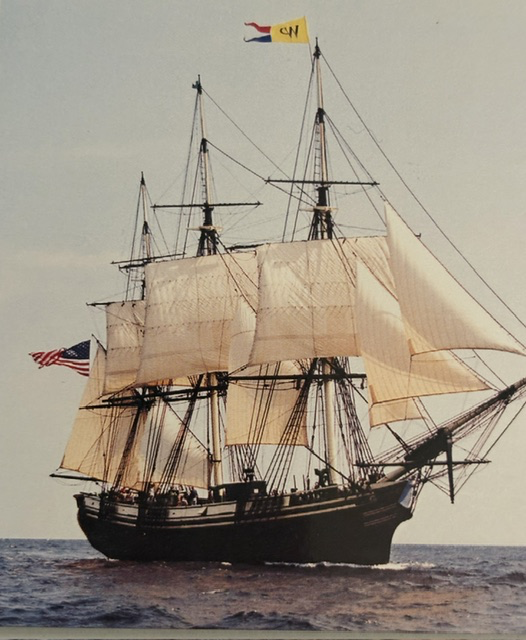
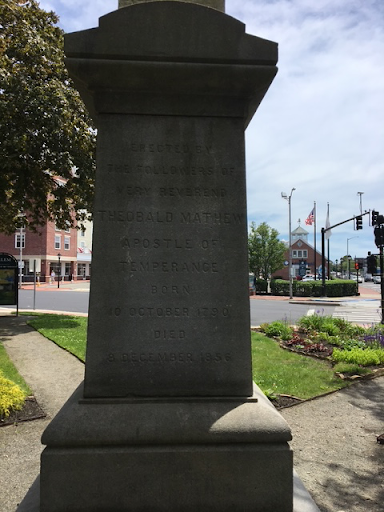
Read More From Nancy
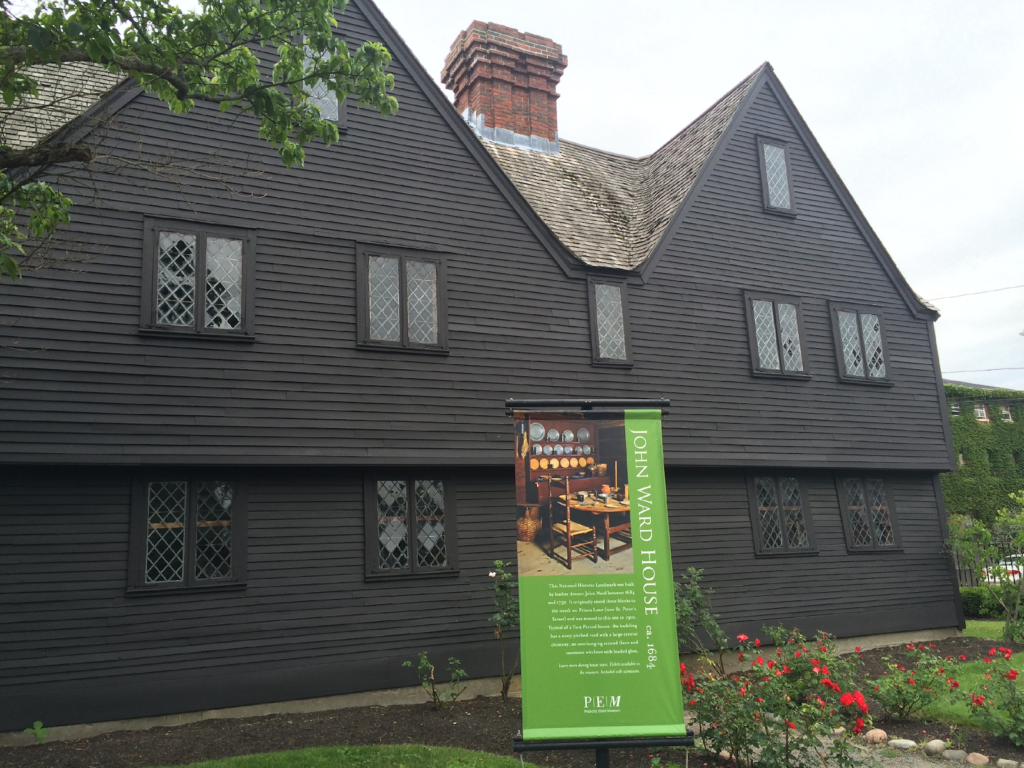
John Ward House
The John Ward House in Salem, Massachusetts, stands as one of the finest surviving examples of 17th century New England architecture. Built in 1684 for John Ward, a successful currier, the house reflects not only skilled craftsmanship but also the growing prosperity of Salem in the late 1600s. By the time this house was constructed, […]
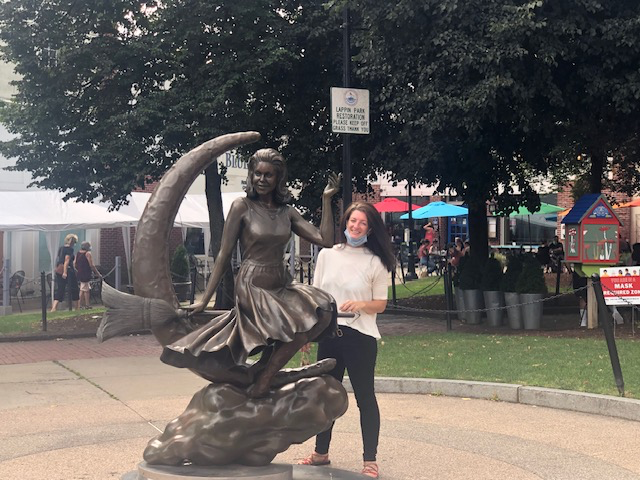
“Bewitched” Statue
At first glance, Samantha Stephens seems an unlikely resident of Salem. Sitting gracefully on her broom before a crescent moon, she welcomes visitors with a smile that is a world away from the painful events for which this city is best known. The bronze statue was unveiled in 2005 as a tribute to the beloved […]
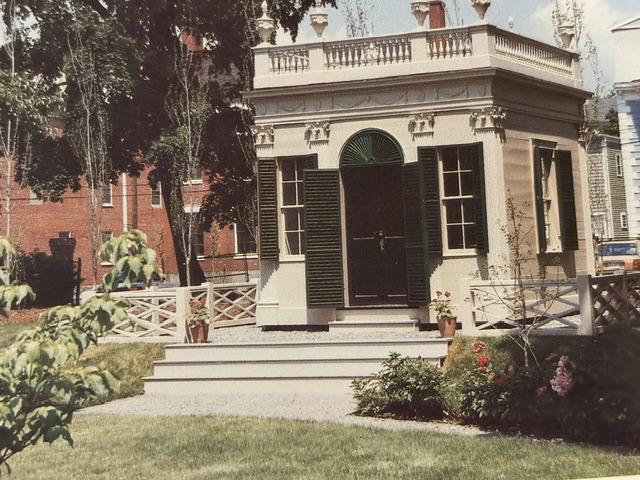
Derby Summer House
This small but elegant garden pavilion once stood on the grounds of the grand mansion of Elias Hasket Derby. Built in 1799, the Summer House is one of the oldest surviving garden structures in the United States and offers a glimpse into the wealth and sophistication that accompanied Salem’s maritime success during the Federal era. Elias Hasket […]

