Killed in Action
March 29, 1943Dearest Reader,
This is one of those pieces of history that doesn’t come from a monument or museum, but from something saved and carried forward without explanation.
I found this newspaper clipping among my parent’s papers. It’s narrow and worn, but once I stopped to read it, it holds my attention;
At the top are the words: “Killed in Action – March 29, 1943“
The name below: Captain Robert E. Atkinson
He was a Concord High School graduate, part of the Army Air Corps, and rose quickly through the ranks: First Lieutenant in 1941, Captain in 1942. His service took him far from New Hampshire: Puerto Rico, Trinidad, China. He was flying with the Flying Tigers, when he was killed over Burma during the war.
His brother, Captain Nelson R. Atkinson, had already been killed in 1941, also flying with the Flying Tigers.
Two sons, both pilots, both lost.
The clipping says it plainly, in the language of the time, without pause or commentary. It even notes that “unavoidable circumstances made burial impossible.” A sentence that must have carried a weight beyond the words when it was first read.
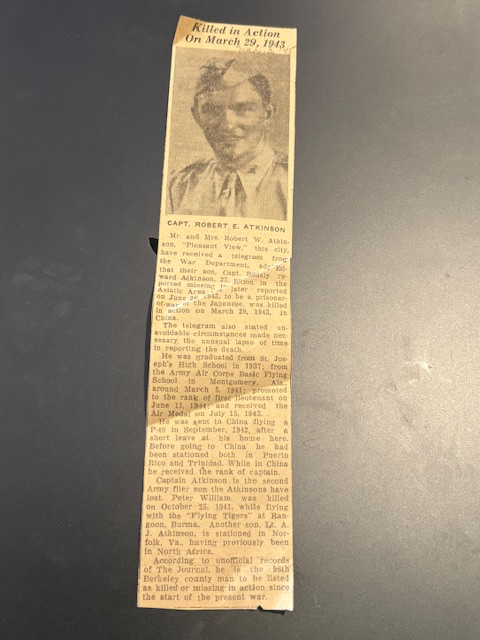
In 1943, my father was in the service. I can imagine my mother reading the newspapers, searching for news about the war. Clipping articles and holding onto them. There was a connection and shared uncertainty.
History isn’t only what we build to remember. Sometimes, it’s what we choose not to throw away.
Dr. Nancy Watson
Washington
Read More From Nancy
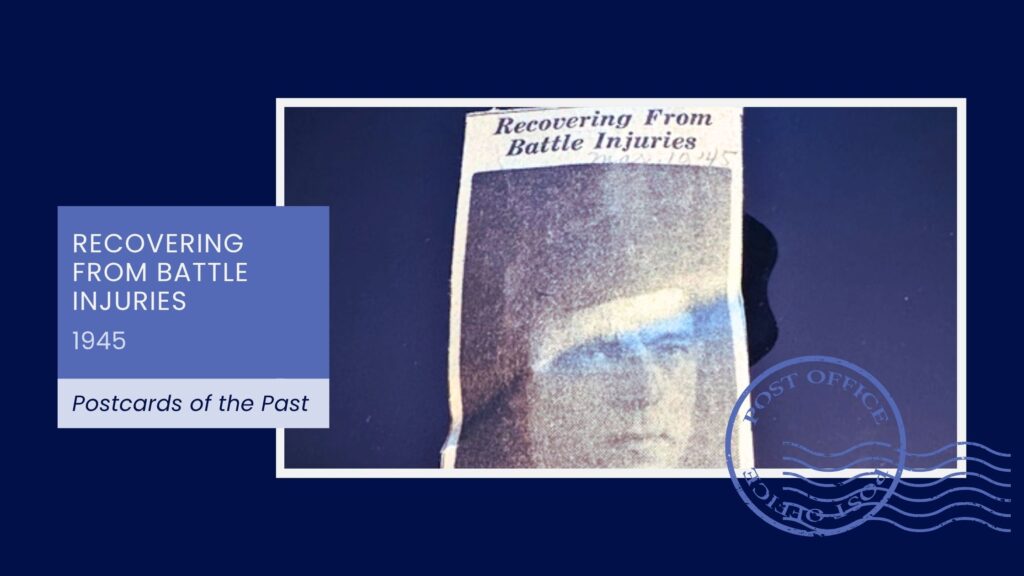
Recovering from Battle Injuries
Sometimes these small newspaper clippings tell a powerful story in just a few lines. One such clipping carries the heading: “Recovering from Battle Injuries“. The article explains that the wife of 1st Sgt Garnett Shipley had recently received word that her husband was making normal progress in recovery following amputations required after injuries he sustained […]
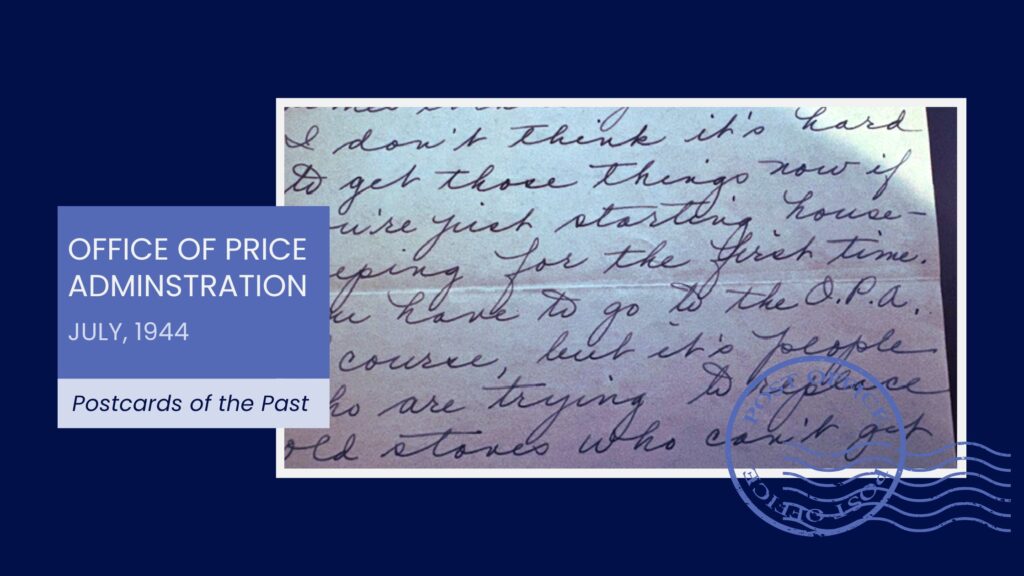
Office of Price Administration
In her July 19, 1944, letter, as my mother was already making plans to begin a life with my father, she turned her attention to the practical details of setting up a household, details shaped by wartime reality. With calm confidence, she wrote: “I don’t think it’s hard to get those things now if you’re […]
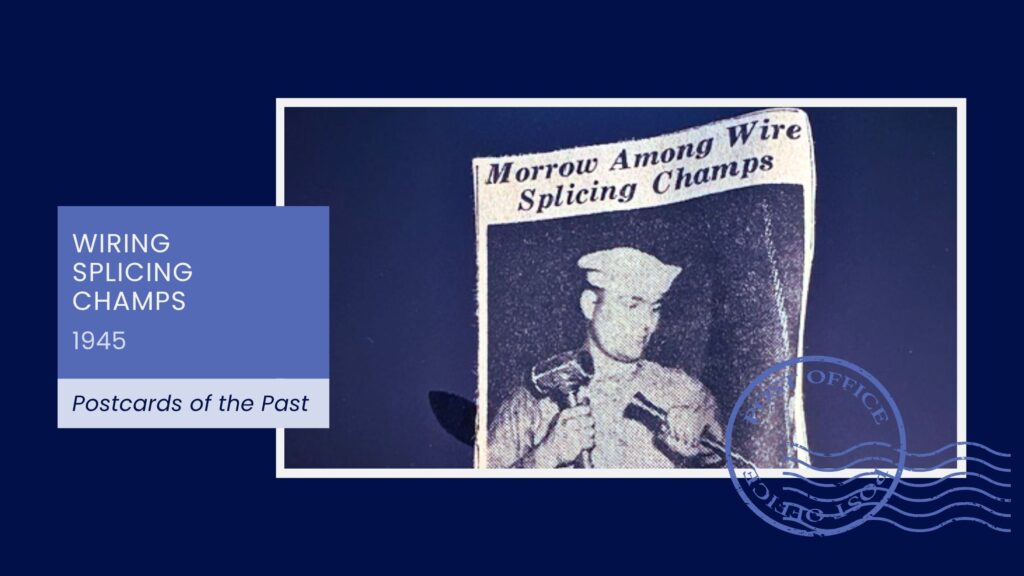
Wiring Splicing Champs
Sometimes the small clippings among my parents’ papers raise more questions than they answer. This is one of them. This small newspaper photograph of a sailor, James A. Morrow, has my mother’s handwritten date: March 23, 1943. The article itself is short and simple. It reports that a wire-splicing champion at an amphibious base in […]

