Governor John Langson House
The Governor John Langdon House in Portsmouth, New Hampshire is one of the finest surviving examples of Georgian architecture in New England and a powerful reminder of the city’s importance during the early years of the American republic. Built in 1784, this elegant mansion was the home of John Langdon, a merchant, shipbuilder, Revolutionary War leader, singer of the United States Constitution and one of New Hampshire’s most influential political figures.
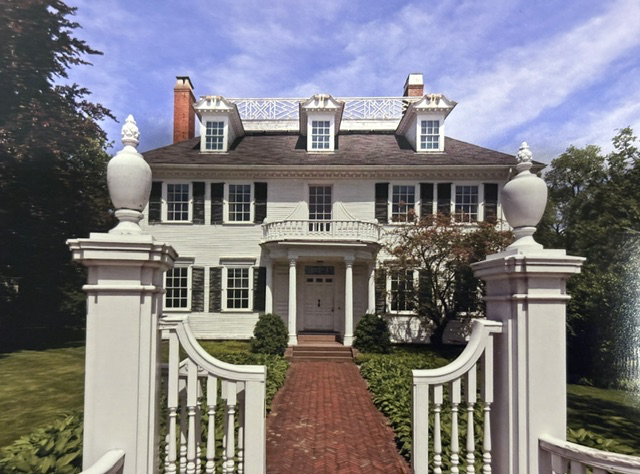
Today, the house is preserved by Historic New England and stands as a National Historic Landmark.
Set behind its graceful gate and brick walkway, the house reflects the wealth that came to Portsmouth following the Revolutionary War. Langdon made much of his fortune through shipping and trade, but he also played a critical role in supporting the American cause during the Revolution. When the Continental Army needed ships, supplies and money, Langdon personally financed military efforts and outfitted vessels for the war. His contributions were so significant that George Washington himself reportedly held Langdon in especially high regard.
One of the most interesting stories connected to the house involves the moment when George Washington visited Portsmouth in 1789 during his presidential tour of New England. Although Washington did not stay at the Langdon House itself, Landon hosted elaborate celebrations in his honor. The city erupted in patriotic enthusiasm with parades, bells, banquets and formal receptions. It was a defining moment for the young nation, as citizens were seeing their first president only a few years after independence had been secured.
The Langdon House connects local New Hampshire history to the broader story of the founding of the United States. This was not simply the home of a wealthy merchant; it was the residence of a man deeply involved in the birth of the nation. Visiting the house offers a chance to step into the world of post-Revolutionary America, when leaders like Langdon were helping shape a new government while still living in a seaport town that depended on the rhythms of trade, craftsmanship and the Atlantic world.
Read More
Read More From Nancy
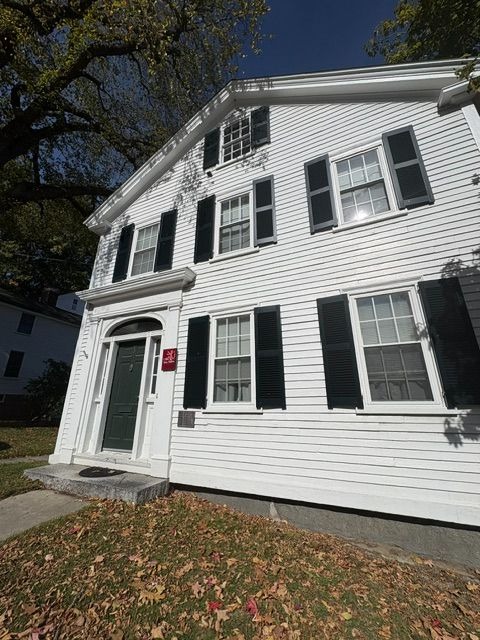
Lewis Cass House
A plaque commemorating Lewis Cass connects this Exeter house with a statesman whose career reached across the expanding United States. Born in Exeter on October 9, 1782, Cass attended Phillips Exeter Academy before leaving New England. He became a territorial governor, cabinet secretary, diplomat, senator, and presidential candidate. Cass established a legal career in Ohio […]
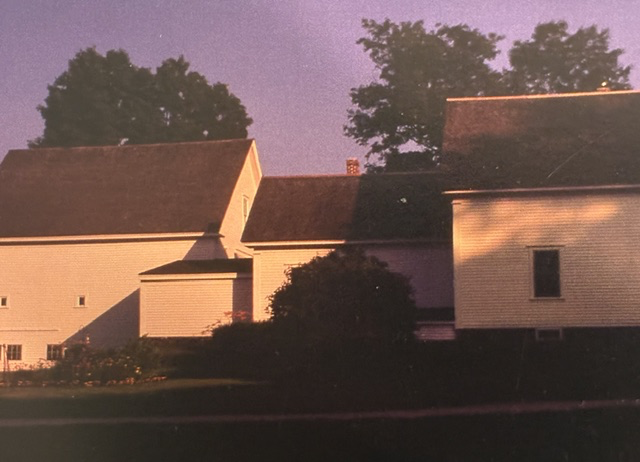
Robert Frost Homestead
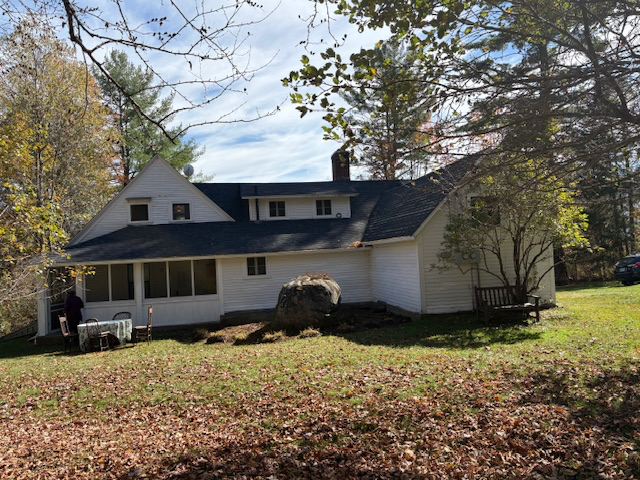
By the time Robert Frost arrived in Derry, New Hampshire, in the fall of 1900, he was thirty-six years old, married to his college sweetheart Elinor, and searching for a life that would allow him to write while providing for his growing family. His grandfather purchased this thirty-acre farm, believing that the rhythm of farming […]
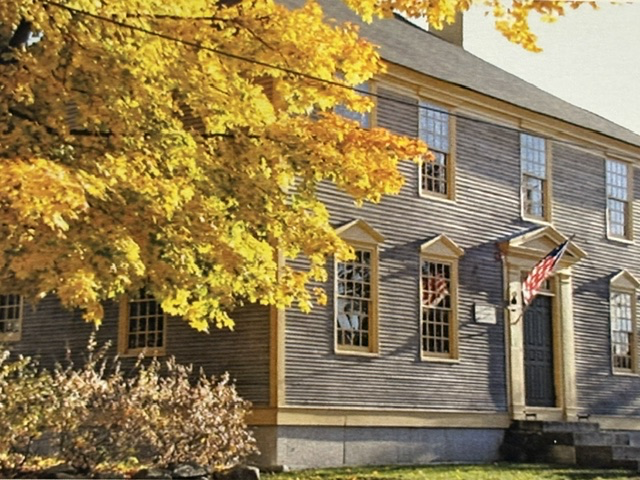
Folsom Tavern
One of the things I enjoy discovering is that many of the most important homes in American history were also places of business. The Folsom Tavern in Exeter is one of those places. Built around 1775 as the home of Colonel Samuel Folsom and his family, it also served as the community’s tavern, where travelers […]

