Palace of Holyroodhouse
This photograph is of the historic Palace of Holyroodhouse, the official royal residence of the British monarch in Scotland. It is located at the end of the famous Royal Mile in Edinburgh and is directly connected to centuries of Scottish history, monarchy and national identity.
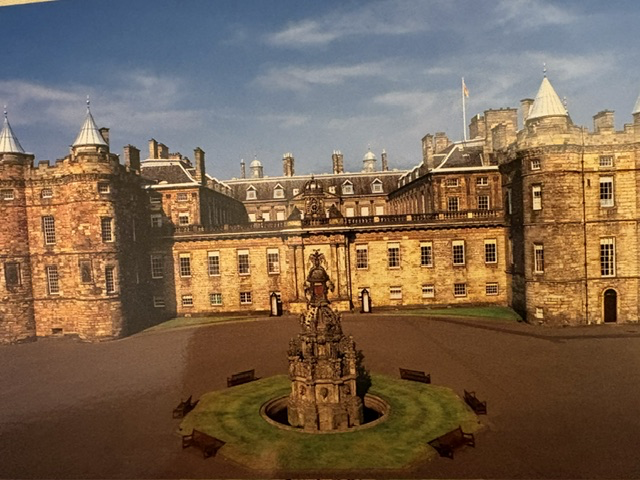
Unlike some royal palaces that are distant, Holyrood carries the stories of conflict, tragedy and power within its walls. When we visited here, Scottish history felt both grand and deeply personal.
The palace began as a monastery founded in the 12th century by King David I of Scotland and gradually evolved into a royal residence. Over the centuries, Scottish monarchs expanded and transformed it into the palace seen here today.
One of the most famous figures associated with Holyroodhouse is Mary, Queen of Scots. Her private chambers within the palace became the setting for one of the most shocking events in Scottish history when her secretary was brutally murdered in 1566 by nobles connected to her husband. You can still tour the rooms connected to that event, making history immediate and human.
On our tour of the palace, one story about Queen Elizabeth II especially stayed with me. The guide explained that when she was preparing to receive an official guest at Holyroodhouse, she would often take time to learn about them personally beforehand. Rather than focusing conversations on herself, she would ask guests about their own lives, interests, families and experiences. It was described as one of the qualities that made her so respected around the world, her ability to make people feel seen and comfortable despite the extraordinary position she held.
The guide also shared that Queen Elizabeth traditionally spent about one week each summer at Holyroodhouseduring what was known as “Holyrood Week” or “Royal Week in Scotland”. During that annual visit, the palace became the center of official royal activity in Scotland with ceremonies, receptions, honors and meeting held throughout the week. This is not simply a preserved historic palace, but an active royal residence connected to modern royal life.
These historic residences were lived in places shaped by the personalities of the people who occupied them. Hearing small human stories often stay with me just as much as the larger political history.
Read More From Nancy
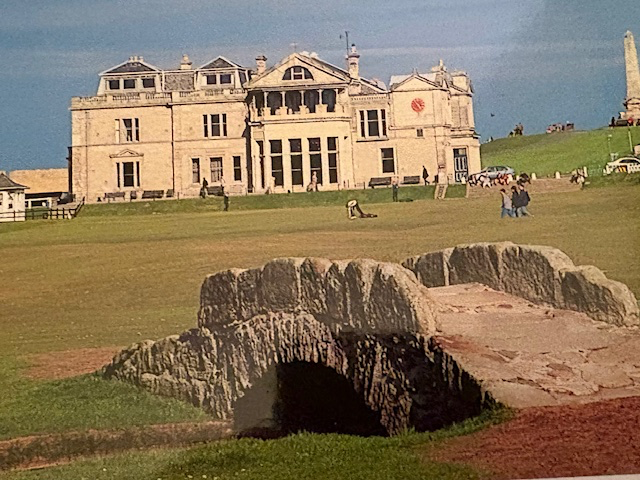
Swilcan Bridge
Marty and I traveled to Scotland after one of our teaching events in London, taking a few days to explore beyond the city. One of the places we knew we would visit was St. Andrews. For Marty, it was something much more than a stop on the itinerary. For me, I was honestly more interested […]
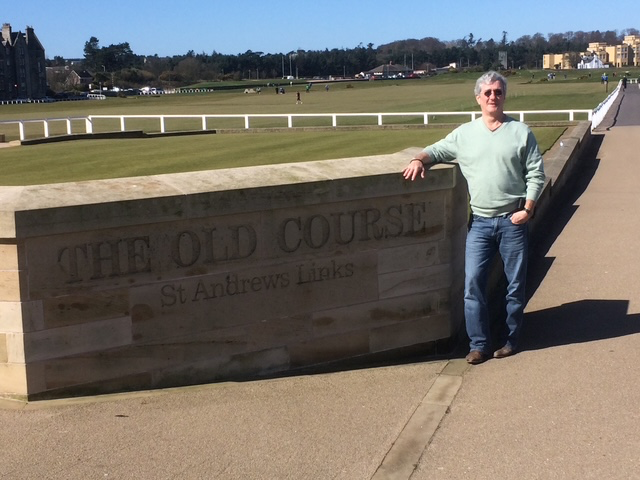
The Old Course at St Andrews
There are some places you visit because they are on your list, and there are others you visit because they are on someone else’s. This stop was definitely for Marty. I’ve never been a golfer, so I probably could have skipped this photograph altogether. But Marty has always enjoyed the game, and I knew that standing beside […]

St Margaret’s Chapel
High within Edinburgh Castle, surrounded by stone walls built for defense and shaped by centuries of conflict, stands St. Margaret’s Chapel. This is the oldest surviving building in Edinburgh, dating back to the early 12th century. Built by King David I of Scotland in memory of his mother, Saint Margaret of Scotland, the chapel was never […]

