Manzanar National Historic Site
The landscape leaves a lasting impression before you ever read the history connected to it. Surrounded by the stark mountains of California and swept by winds that stir dust across the barren ground, the isolation itself becomes part of the story. Standing here, it is impossible not to feel the harshness of the environment and to imagine what life must have been like for the thousands of Japanese Americans who were brought to internment camps during World War II
This memorial stands at the site of Manzanar War Relocation Center, located in the Valley between the Sierra Nevada mountains and the desert. The geography played a powerful role in the experience of those imprisoned here. Remote, dry, windy and unforgiving, the setting itself created a sense of confinement and separation from the rest of the country.
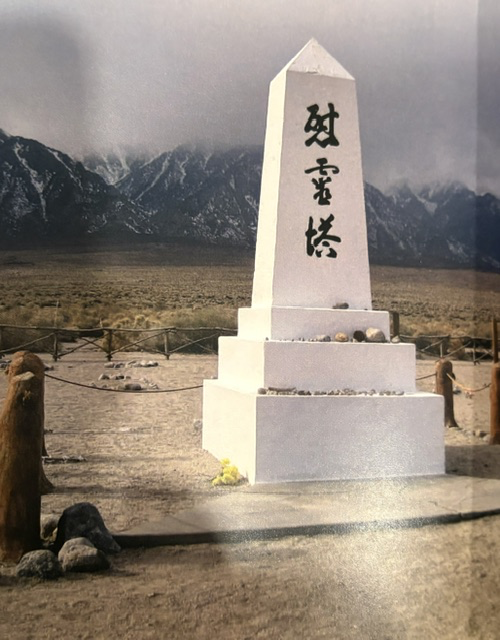
After the bombing of Pearl Harbor in 1941, over 120,000 Japanese Americans, many of them American citizens, were forcibly removed from their homes and relocated to camps like Manzanar under Executive Order 9066 signed by President Franklin D. Roosevelt. Families lost homes, businesses, farms. and communities as they were sent to isolated camps surrounded by barbed wire and guard towers.
Walking the paths at this historic site one of the most moving details is seeing the remains and reconstructions of the rock gardens. Even in this harsh landscape, the people living here attempted to create beauty, peace and dignity. Stones were carefully arranged, small ponds and gardens were built, and touches of humanity were added to an otherwise barren environment.
This white monument is the Manzanar cemetery monument, inscribed with the Japanese characters: Soul Consoling Tower. This honors those who died while imprisoned here. Against the backdrop of the mountains, it stands as a reminder of one of the most difficult chapters in American history.
In 1992, Manzanar was officially established as Manzanar National Historic Site when President George H. W. Bush signed the legislation creating the site within the National Park System. Here, you can walk the grounds and experience the landscape and reflect on the isolation of this site.
Read More From Nancy
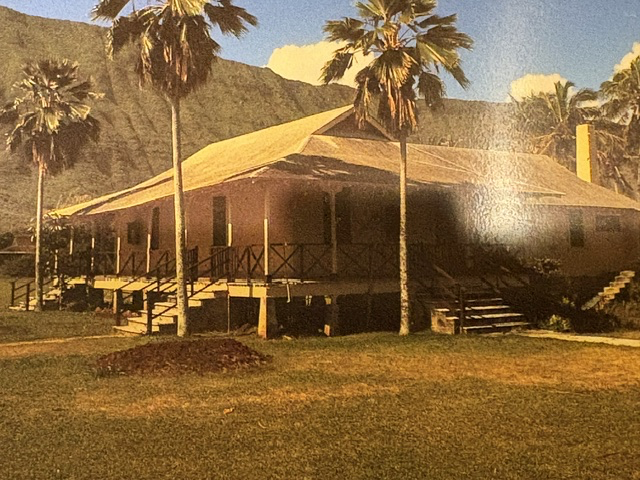
Kalaupapa National Historical Park
Visiting Kalaupapa National Historical Park was one of the more difficult and emotional National Park sites I have experienced. This was another journey that I made alone, and perhaps that solitude added to the feeling of reflection that stayed with me throughout the visit. Reaching Kalaupapa is part of the experience itself. I flew in on a small plane, […]
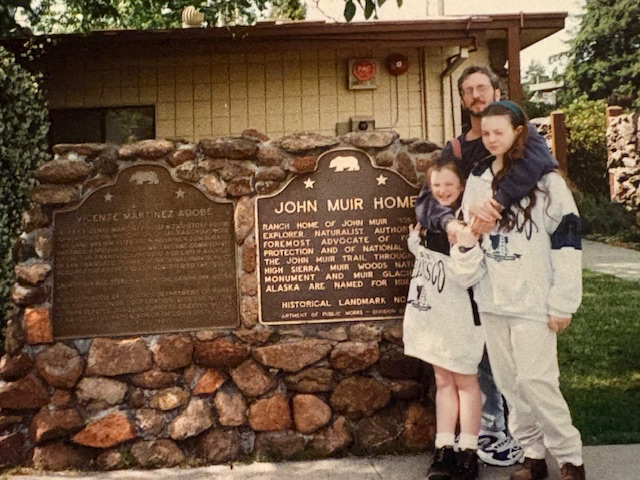
John Muir National Historic Site
John Muir’s home in California offers a intimate window into the life of one of America’s most influential conservationists. Located northeast of San Francisco, the site is preserved today as John Muir National Historic Site. Muir lived here from 1889 until his death in 1914. While many picture him wandering through Yosemite or Alaska’s glaciers, this […]
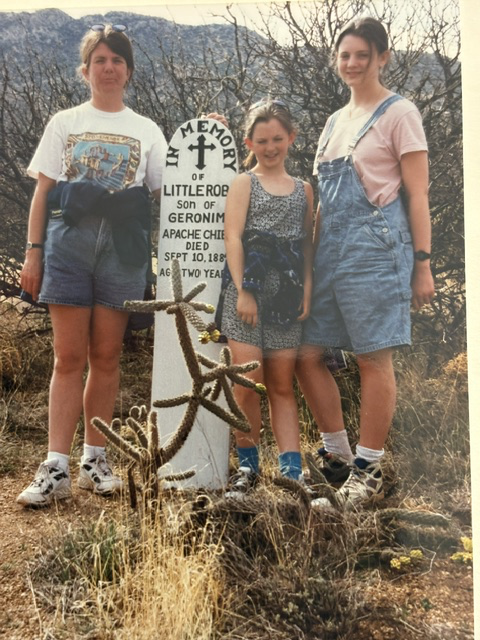
Fort Bowie National Historic Site
Walking into Fort Bowie National Historic Site was a hot and dry experience, and in many ways that added to the feeling of the place itself. The long walk across the desert landscape gave us a small sense of the isolation and harsh conditions faced by those who lived and fought here. As we moved through the heat and silence, […]

