Kalaupapa National Historical Park
Visiting Kalaupapa National Historical Park was one of the more difficult and emotional National Park sites I have experienced. This was another journey that I made alone, and perhaps that solitude added to the feeling of reflection that stayed with me throughout the visit.
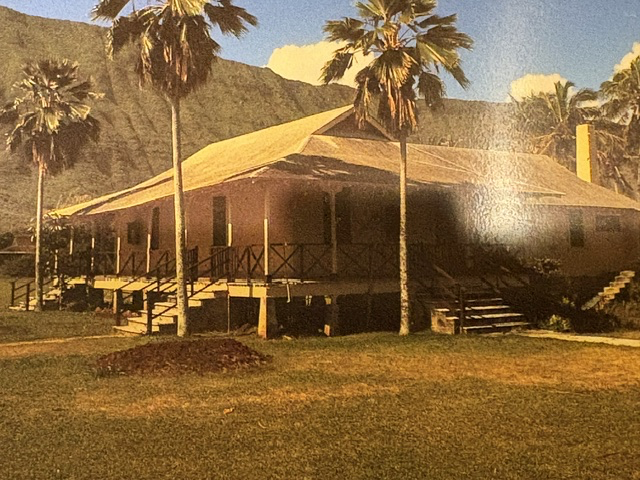
Reaching Kalaupapa is part of the experience itself. I flew in on a small plane, descending onto the isolated peninsula beneath the towering sea cliffs of Molokai. From the air, the cliffs were magnificent, among the tallest ocean cliffs in the world, dramatic and beautiful. Yet knowing the history of the people brought here against their will gave the landscape a different emotional weight. The isolation that once made this peninsula a place of forced exile became immediately understandable from the moment the plane approached the narrow landing strip.
I joined a small group traveling through the settlement on an old school bus while guides shared the stories of Kalaupapa and the people who lived there. Visitors are expected to respect the privacy of the few residents who still live there who are diagnosed with Hansen’s disease. This awareness reminded us that this is not a historic site but a living community.
Hearing the story of Father Damien was especially inspiring. Arriving in 1873, he chose to live among the patients, caring for them physically, spiritually and emotionally during a time when many feared even approaching those with the disease. He helped build homes, churches, schools and a sense of dignity within the community. Eventually, he contracted Hansen’s disease himself and died at Kalaupapa, becoming a symbol throughout the world of compassion and selfless service.
There is a quiet sadness woven into this landscape. The beauty of the cliffs, ocean and tropical surroundings stand in contrast to the suffering, loneliness and stigma experienced by so many who were sent here. Visiting here is about confronting a deeply human story of fear, isolation, faith, courage and dignity in one of the most remote and beautiful settings in America.
Recognizing the historical and human significance of Kalaupapa, Congress established Kalaupapa National Historical Park in 1980.
Read More From Nancy
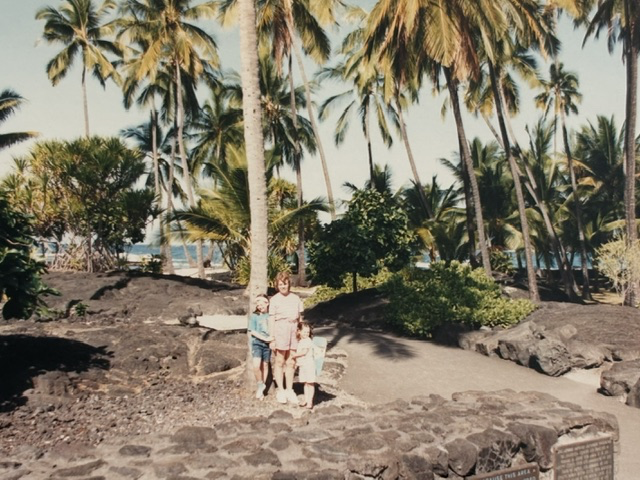
Pu’uhonua o Honaunau National Historical Park
Pu’uhonua o Honaunau National Historical Park on the Big Island of Hawaii is one of the most important and sacred historic places in Hawaii. Long before Hawaii became part of the United States, this area served as a “City of Refuge”, a protected santuary where people could excape punishment, violence or death. An ancient Hawaiian society, life was governed by a […]
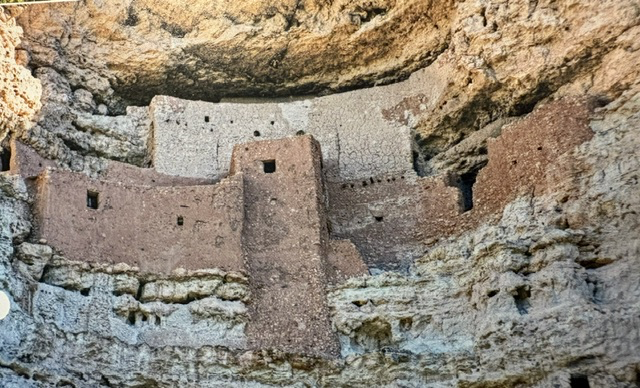
Montezuma Castle National Monument
Some of the most remarkable accomplishments in North America were built long before Europeans arrived. Montezuma Castle National Monument preserves one of those extraordinary achievements: a five-story cliff dwelling that has stood for more than eight centuries. Montezuma Castle National Monument was established on December 8, 1906, by President Theodore Roosevelt under the newly enacted […]
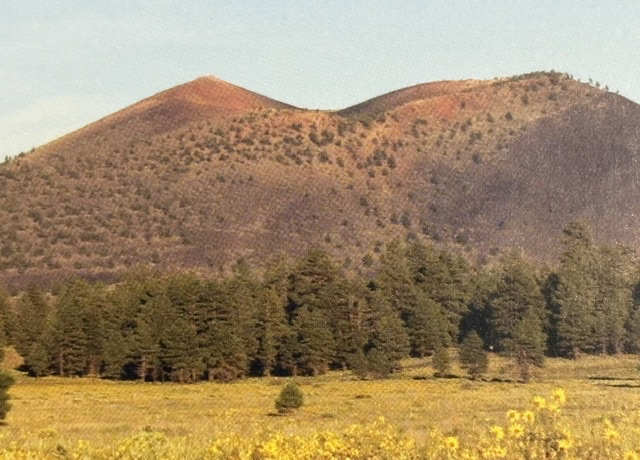
Sunset Crater Volcano National Monument
More than 900 years ago, the landscape north of what is now Flagstaff, Arizona, changed dramatically. The ground opened and lava began pouring across the land while volcanic ash and cinders were thrown high into the air. When the eruption ended, a new cinder cone rose above the surrounding terrain: Sunset Crater, the youngest volcano […]

