White House and President’s Park
Standing outside the White House, this photo captures more than just a family visit, it preserves a moment from a very different era in American history. At that time, touring the White House felt more personal and accessible. We could move through many of the historic rooms on a relaxed private tour, experiencing the residence of the President in a way that is almost unimaginable today. Long before the heightened security, a visit to the White House reflected the idea that this is the “People’s House.”
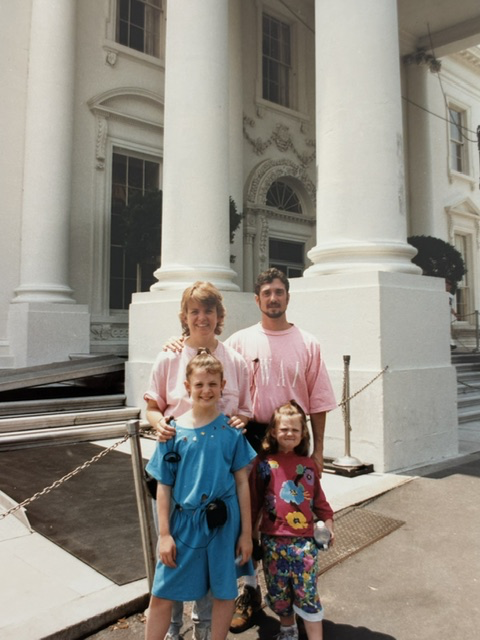
The White House itself is one of the most recognized buildings in the world, and it is also part of the National Park Service. The White House, and surrounding grounds, are managed within President’s Park. This Park became part of the National Park system in 1933 when federal parklands in Washington were transferred to the National Park Service during the administration of Franklin D. Roosevelt.
The story of the White House began in 1792 when James Hoban won a design competition for the new presidential residence. Construction started that same year, and the building was first occupied in 1800 by John Adams and his wife Abigail. Since then, every American president except George Washington has lived there.
On our tour, we would have visited: the East Room, Blue Room, Green Room, Red Room and State Dining Room. These rooms witnessed extraordinary moments in American history. Presidents greeted foreign leaders, signed legislation, addressed the nation, mourned tragedies and celebrated victories. Walking through these rooms connected us directly to the living story of the United States.
Today, The White House remains one of the most protected sites in the nation. Security procedures have changed dramatically, but its meaning endures. It continues to represent both the history and continuity of the United States.
Read More From Nancy
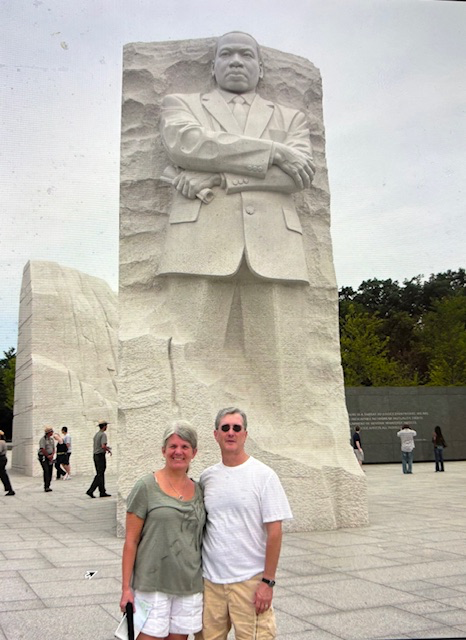
Martin Luther King Jr Memorial
The sheer size of the Martin Luther King Jr Memorial communicates the significance we give to this man’s life. He was a giant among men, and the artist captured that truth in the scale and presence of the monument itself. Marty and I visited this soon after it was completed and I remember how striking […]
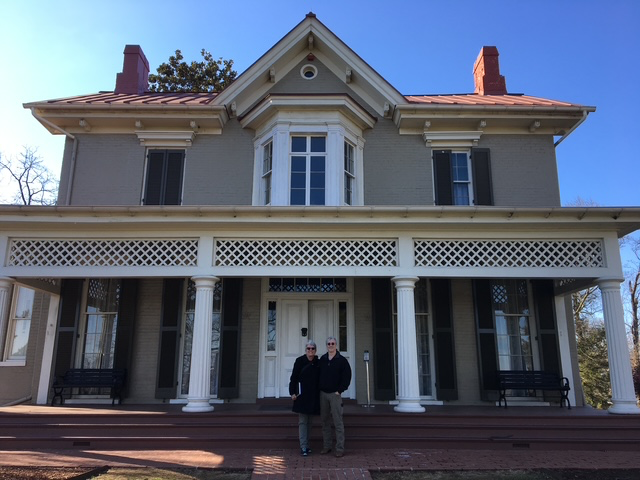
Frederick Douglas National Historic Site
When we travel for business, we always hope to explore something nearby, whether it be the nature of something historic. There is something grounding about stepping outside the seminar room and into the story of a place. We look for something special, something that belongs uniquely to that area. Frederick Douglas’ home was one of those […]
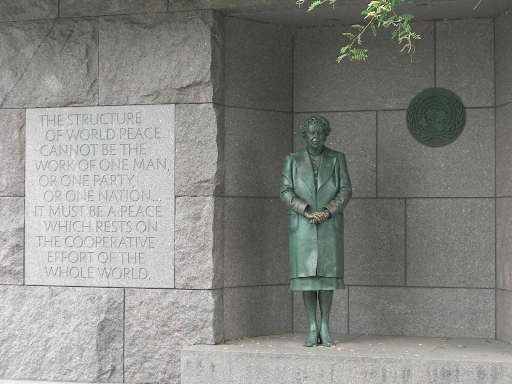
Franklin D. Roosevelt Memorial
The Franklin Delano Roosevelt Memorial is like walking directly into the life and legacy of Franklin D. Roosevelt. It doesn’t just honor a moment in history, it unfolds his story, step by step, through the challenges, leadership, and resilience that defined his presidency. Designed by landscape architect Lawrence Halprin, the memorial was commissioned by Congress in 1955, […]

