The Reach and the Rhythm: How Movement Builds the Growing Brain
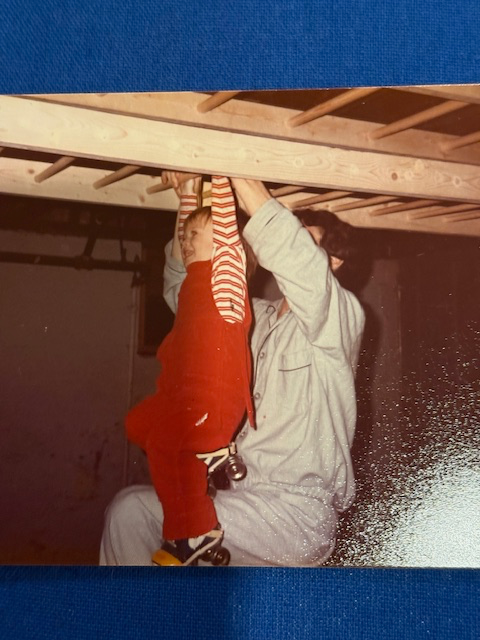
This is a photo of our firstborn daughter, Emily, learning to brachiate, those tiny hands reaching, grasping, and swinging across a simple setup we built in our home. I still remember the look on her face the first time she figured out the rhythm, reach, grip, shift, breathe. It was a small victory that felt enormous.
As parents, we get to shape spaces that invite movement. When babies have the freedom to explore, rolling, crawling, pulling up, hanging, they’re not just building muscle; they’re wiring their brains. Cross-patterning activities like brachiation help organize the nervous system so the brain and body communicate with increasing precision and ease. We saw it in Emily: better coordination, steadier posture, and a growing confidence that spilled into everything else she did. Our job was simply to provide the opportunity, keep it safe, and celebrate each little step along the way.

Read More From Nancy
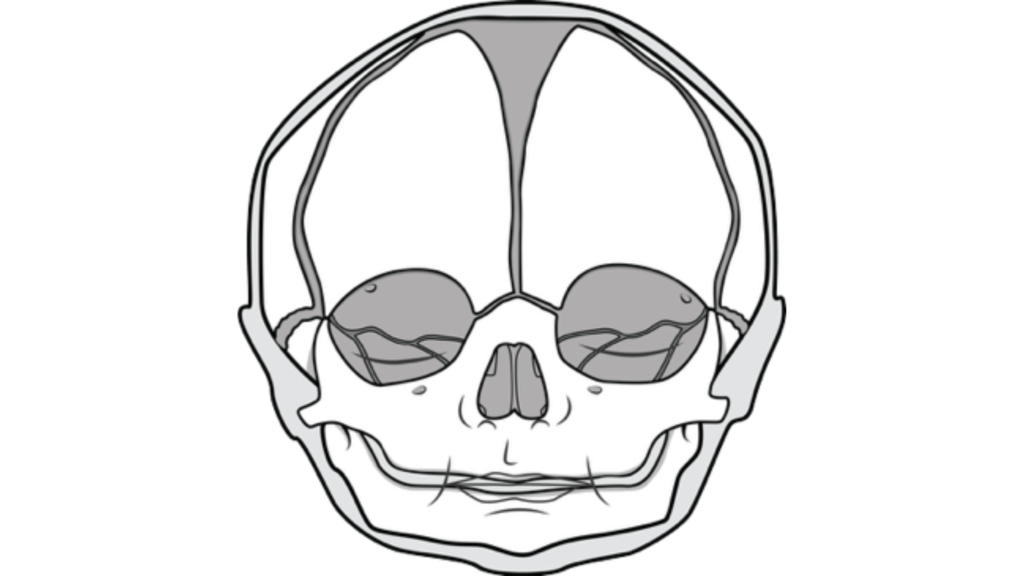
What are Some of the Influences that Affect Your Child’s Facial Growth?
When you look at your child’s face, you probably notice features that remind you of other family members. Perhaps your child has your eyes, your partner’s chin, or a grandparent’s smile. We often think that the way a child’s face looks is determined entirely by genetics. But there is more to the story. While genetics […]
Every Journey Shapes a Child
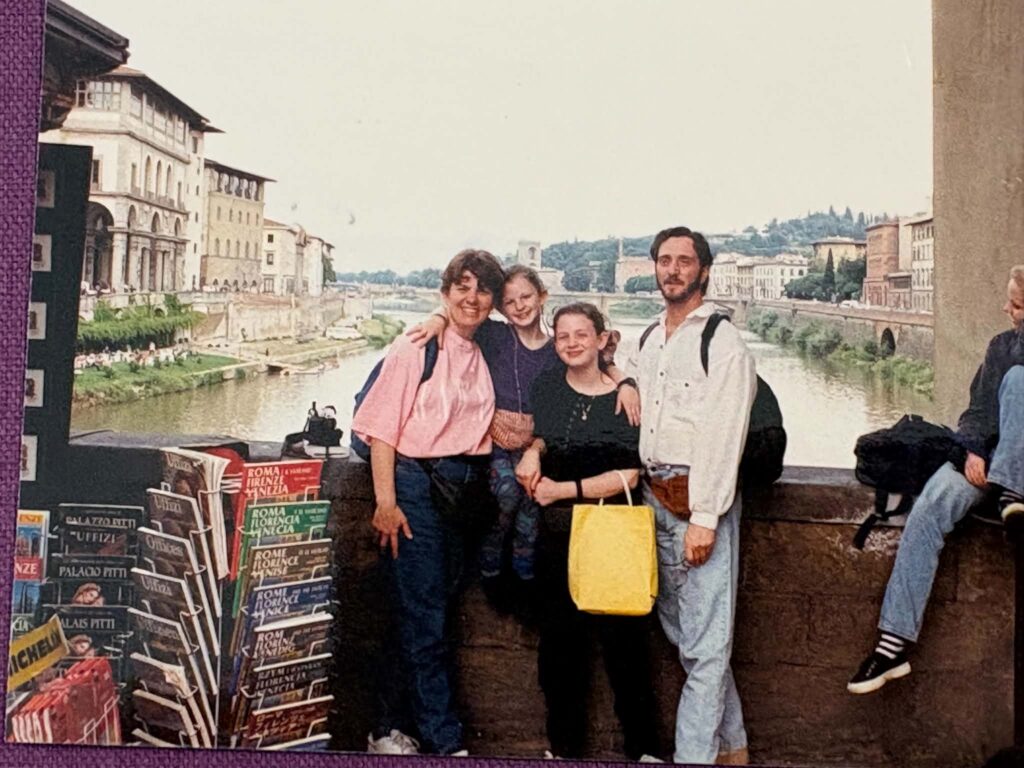
Looking at this photograph of our family in Florence brings back so many wonderful memories. Like so many of our travels, this trip wasn’t simply about seeing famous places. t was about experiencing the world together. We explored museums, walked ancient streets, crossed historic bridges, discovered new cultures, and shared countless conversations along the way. […]
Brain Grows by Repetition
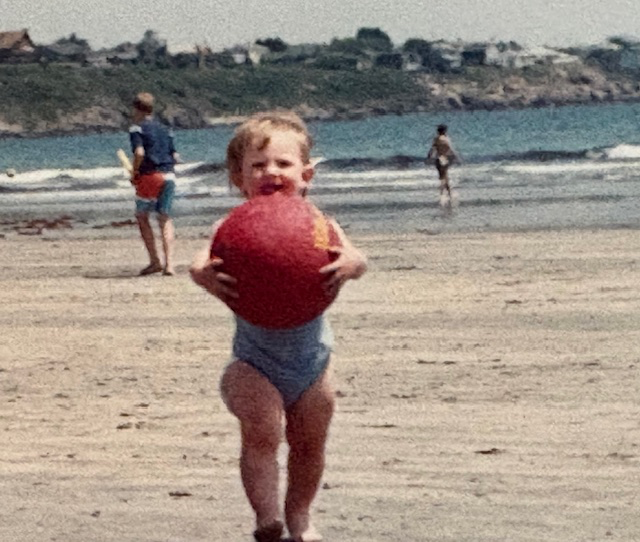
One important principle I have come to understand, and one that sits at the heart of It’s All in the Head, is that the brain develops through use. The brain does not simply grow with time it grows through experience. Each level of brain development is built upon the successful repetition of the level below it. […]

