Winged Victory
September 3, 1944Dearest Reader,
In a letter dated September 3, 1944, a friend of my father wrote from wartime California. The letter location was written, Santa Ana, California. Santa Ana Army Base was one of the largest Army Air Forces training and processing centers during World War II. Thousands of young men passed through its barracks for classification and basic training. Southern California in 1944 was also deeply intertwined with the film industry, and the military frequently cooperated with Hollywood to produce morale and recruitment films.
In the letter, he wrote:
“There is a picture being made around here by the name of ‘Winged Victory’ and if everything stays the same, we will be going into Hollywood one of two days this week to be background for some of the scenes. Other squadrons have helped out in it on the base and also on a nearby beach.”
The file he referred to: Winged Victory, was a major 1944 Army Air Forces production based on a Broadway play written by Moss Hart at the request of General Henry Arnold. It told the story of young men entering the Army Air Forces, training together, forming bonds and eventually heading into combat. The production was designed not merely as entertainment, but as a morale project, a cinematic portrait of transformation from civilian to airman.
Winged Victory relied heavily on real servicemen for authenticity. Background scenes were filmed on the active training bases and beaches in Southern California. Squadrons were temporarily detailed to serve as extras. These were not actors; they were actual airmen stepping into a version of their own story.
This letter anchors a precise historical setting: Army Air culture in Southern California in 1944 and a Hollywood production that sought to capture the spirit of the very men who were living it.
Dr. Nancy Watson
Washington
Read More From Nancy
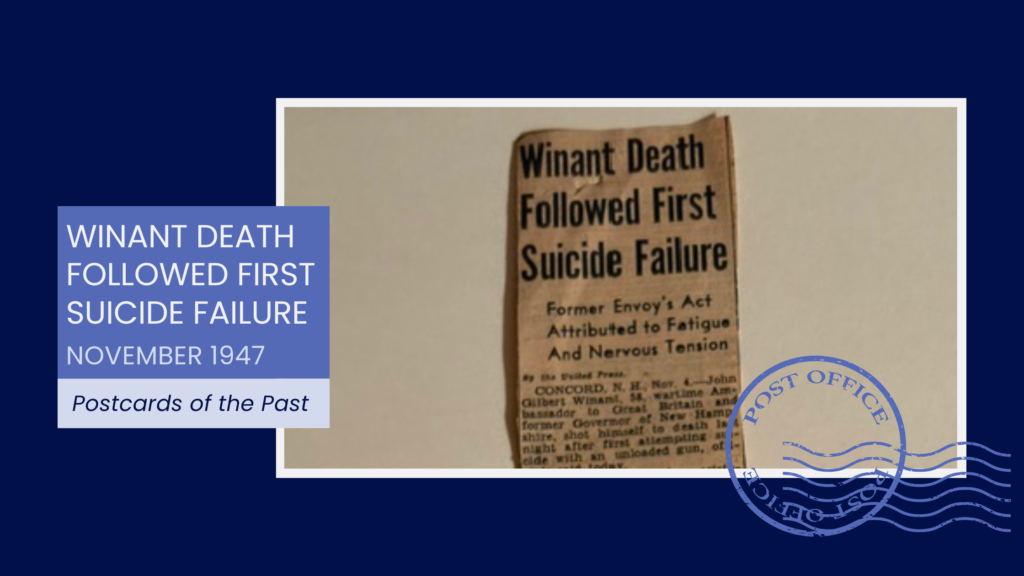
Winant Death Followed First Suicide Failure
Among my mother’s collection of John Gilbert Winant clippings was this newspaper article announcing his death. The headline is stark: “Winant Death Followed First Suicide Failure.” It reports the facts as they were known on November 4, 1947, describing the discovery of Winant at his home in Concord, New Hampshire, and the investigation that followed. Reading the […]
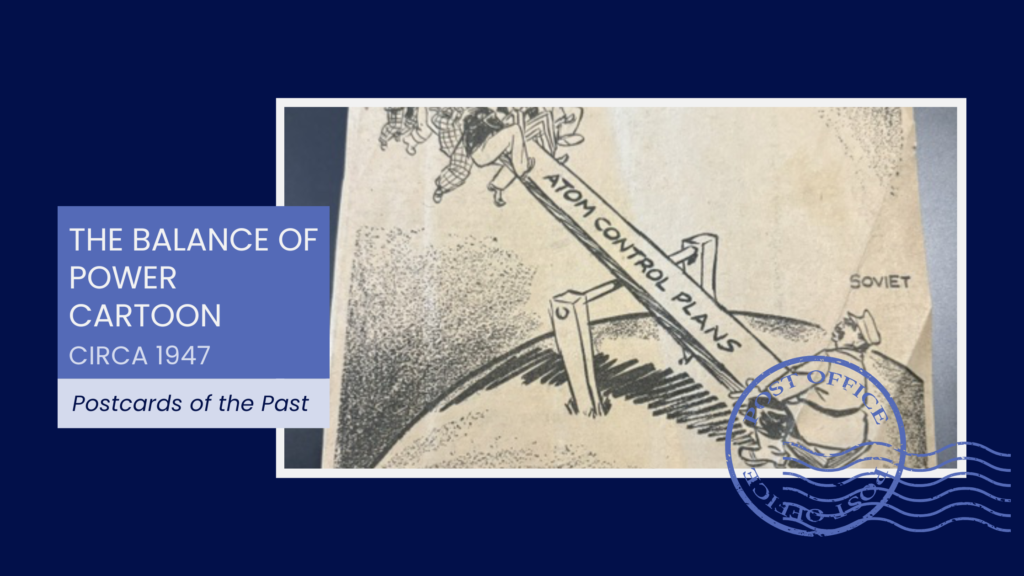
The Balance of Power Cartoon
Among my parents’ papers was this political cartoon titled The Balance of Power. Because my father was an aspiring cartoonist who enjoyed studying the work of newspaper illustrators, I was not surprised to find a political cartoon among their keepsakes. What I do not know is whether he saved it because he admired the cartoonist, because […]
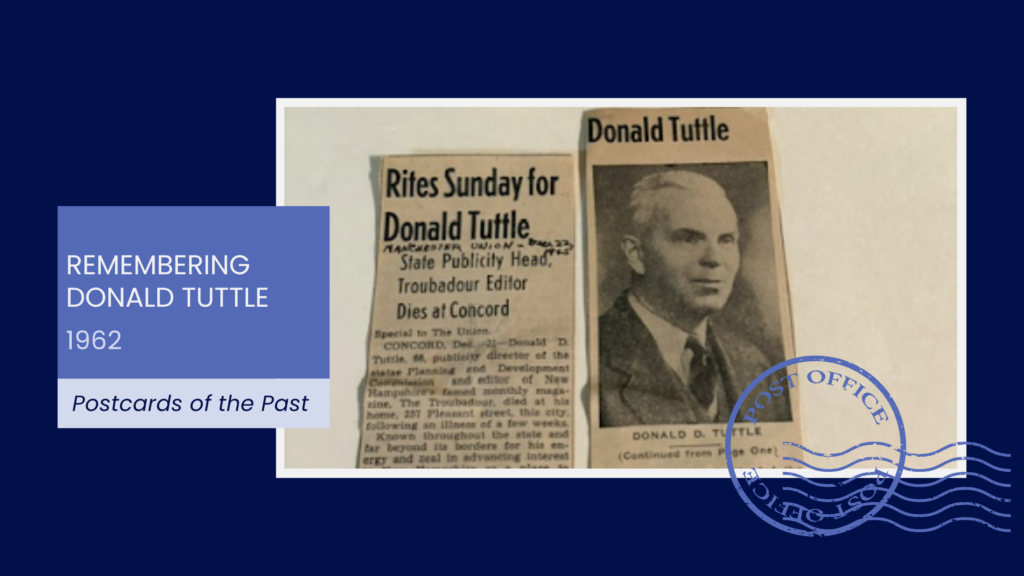
Remembering Donald Tuttle
As I continue sorting through the papers my parents left behind, I occasionally discover someone who was clearly important to them. Donald Tuttle is one of those people. My mother worked for the State of New Hampshire, and among her keepsakes I found not one, but several newspaper clippings announcing Donald Tuttle’s death in 1962. […]

