Herbert Hoover National Historic Site
At the Herbert Hoover National Historic Site, I saw not just the resting place of a president, but also the beginning of his life. Located in the small town of West Branch, Iowa, the site preserves the humble Quaker community where Herbert Hoover was born in 1874.

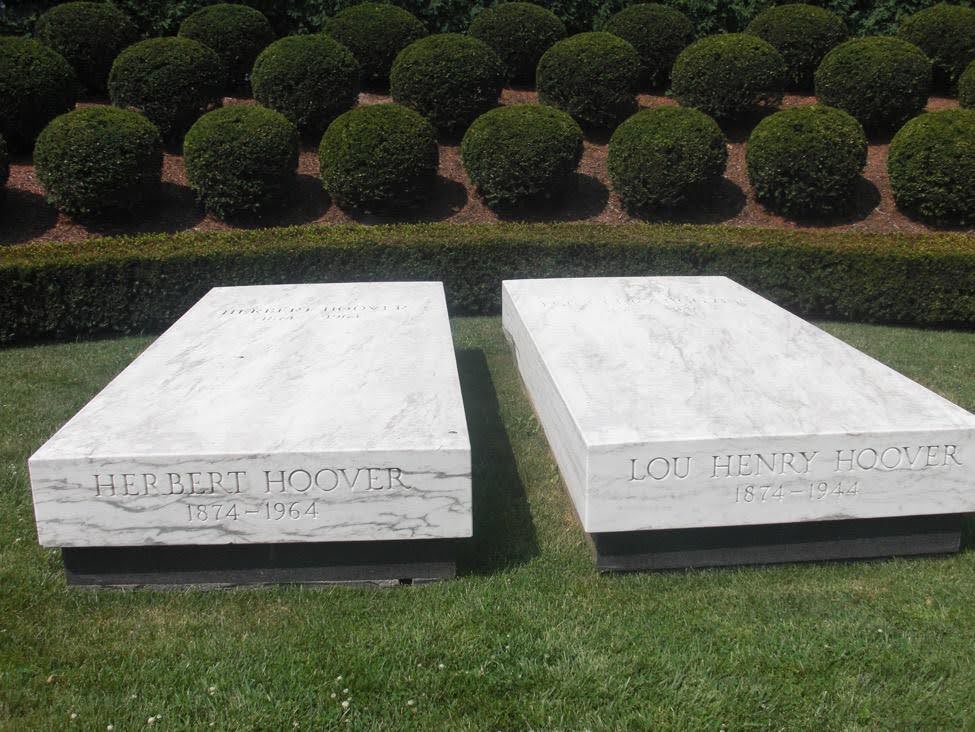
Hoover’s grave site one a quiet hillside overlooking the town. It is simple and unadorned reflecting the Quaker values that shaped his early life: modesty, service and responsibility. Standing there, it feels less like a monument and more of a continuation of the story that began just down the hill in a small cottage.
That cottage is his birthplace. A modest two-room house offers a powerful contract to the global life Hoover would go on to live. Orphaned at a young age, he left Iowa and eventually trained as a mining engineer, building a remarkably successful international career. But it was his humanitarian work that defined him long before, and after, his presidency.
During and after World War I, Hoover organized massive food relief efforts, feeding millions across Europe. After World War II, he once again stepped into a critical role. At the request of President Harry S.Truman, Hoover led a global food survey and helped organize relief efforts for a war-torn Europe. Traveling across devastated countries, he helped shape policies and ensured food distribution. This was a remarkable return to public service and reaffirmed his identity as “The Great Humanitarian”.
His presidency was overshadowed by the onset of the Great Depression. What history often remembers him through that difficult period., this site broadens the perspective. It places his presidency within the larger arc of his life showing his achievement and the challenges he faced.
The site was established in 1965 as a national historic site and signed into law by President Lyndon B. Johnson. This historic site allows us to see Hoover as a whole person, a boy from Iowa, a global humanitarian and a president who led during one of the most difficult times in American history.
Read More From Nancy
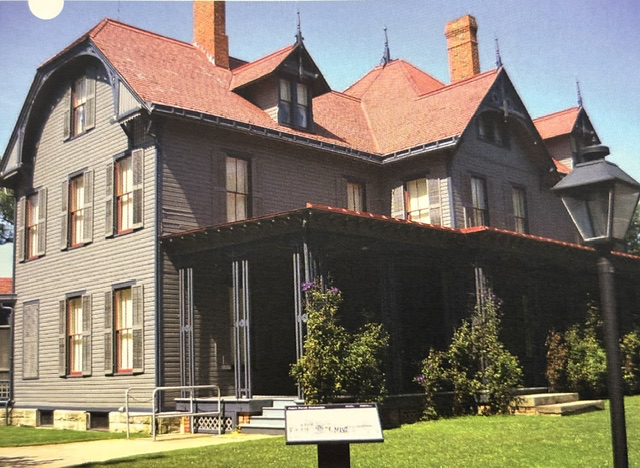
James A. Garfield National Historic Site
When my love for National Parks combines with my fascination with the lives of our presidents, I am always willing to travel out of my way to explore. During a family cross-country trip, we made a stop at the James A. Garfield National Historic Site in Mentor, Ohio, to learn more about one of America’s […]
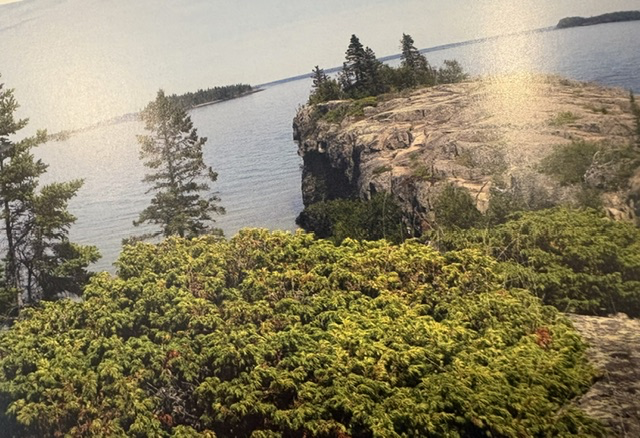
Isle Royale National Park
Accessible only by boat or seaplane, Isle Royale National Park occupies an isolated archipelago in the northwestern waters of Lake Superior. The park encompasses more than 850 square miles, including the main island, approximately 450 smaller islands and the surrounding submerged lands. It is the largest federally designated wilderness area in Michigan. The landscape is […]

Indiana Dunes National Park
On our cross-country family road trip in 1995, we stopped at the Indiana Dunes National Park. The massive sand dunes stretch along the southern shore of Lake Michigan and they are interwoven with wetlands and beaches. The dunes were formed over thousands of years as glaciers retreated in the wind and water shaped the sand into ridges […]

