Big Hole National Battlefield
On the East Coast, we speak of conflicts with Native peoples. We reference King Philip’s War in town histories and on roadside plaques, but we have not preserved large landscapes in the same way. There are markers. There are monuments. There are footnotes in local museums. But there are few expansive, protected battlefields with visitor centers and interpretive trails set aside to fully tell those stories.
In Montana, that feels different.
At Big Hole National Battlefield, the land itself is preserved. You walk through the wide valley where, on April 9-10, 1877, U.S. Army troops attacked a Nez Perce encampment during their desperate flight toward Canada. This was not a distant skirmish, it was a devastating dawn assault on families who were traveling together: Women, Children, Elders. The fighting was fierce and the losses were heavy.
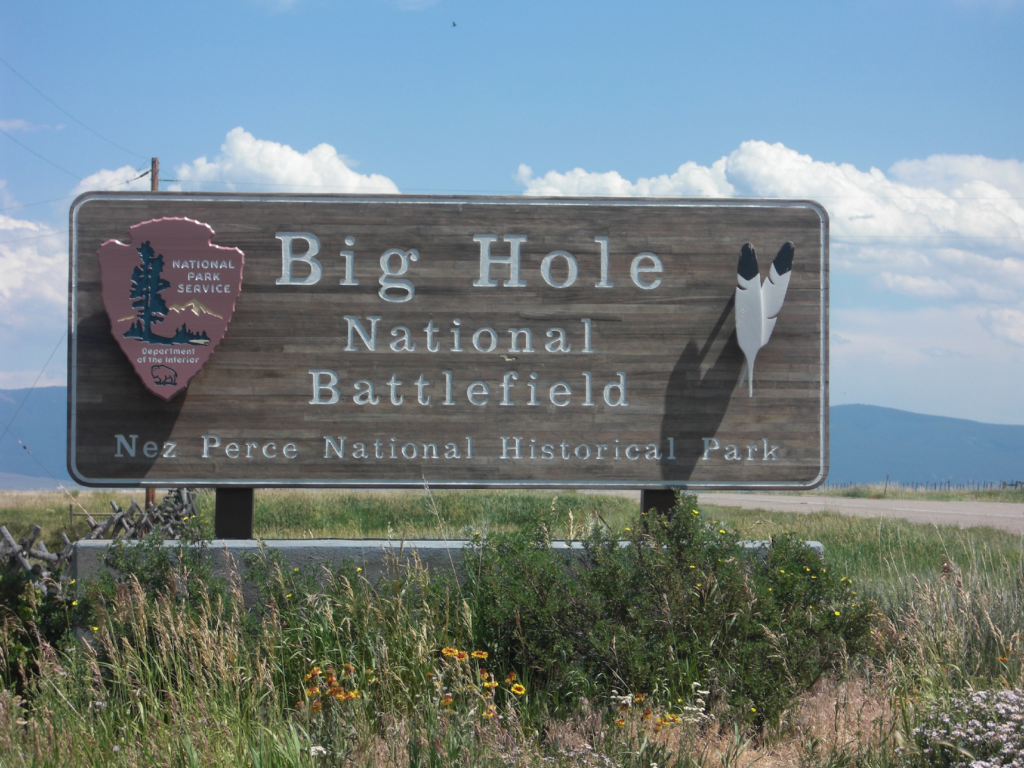
Big Hole was first recognized as a historic site in 1910 and later incorporated into the National Park System. Today it is jointly managed with tribal input and interpreted as part of the broader Nez Perce story. The National Park Service protects this land not to glorify the battle, but to remember it and to acknowledge the human cost and to tell the story from multiple perspectives. This is not a triumphant military park it is a memorial landscape.
The contrast with New England stays with me. We live on land shaped by conflict as well. King Philip’s War was one of the deadliest wars per capita in American history. Perhaps it is geography. Perhaps it is development. Perhaps it is timing. Walking in Montana, across protected ground where the story is told deliberately and carefully, I was reminded how we preserve history says something about what we are ready to face.
Some landscapes are protected because they hold memory, and memory deserves space.
Read More From Nancy
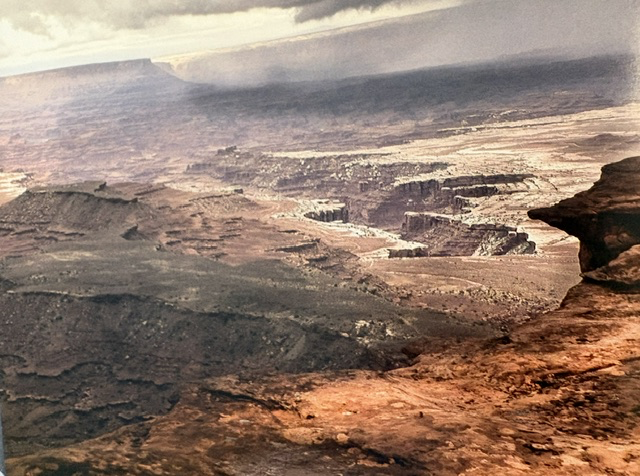
Canyonlands National Park
Stretching across southeastern Utah, this vast wilderness is a maze of deep canyons, towering mesas, rugged buttes, and sandstone cliffs that have been sculpted over millions of years by the Colorado River and the Green River. Canyonlands National Park was established on September 12, 1964, to preserve one of the most spectacular and unspoiled canyon […]
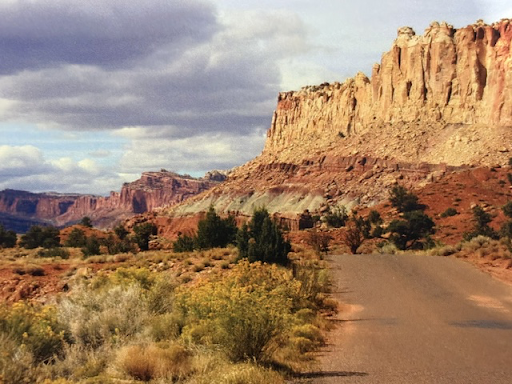
Capitol Reef National Park
Capitol Reef National Park in south-central Utah is one of those places that often surprises first-time visitors. Established as a national park in 1971, it is sometimes overshadowed by Utah’s other famous parks, yet it offers some of the most spectacular scenery in the Southwest. Driving across Utah is an experience unlike any other. It […]
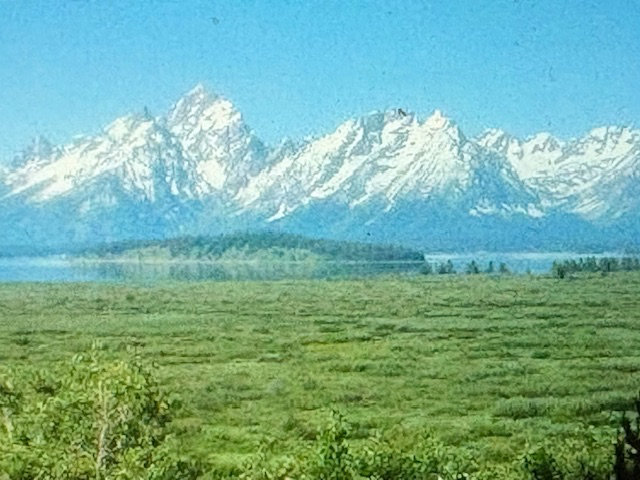
Grand Teton National Park
We chose to stay in the lodge within the Grand Teton National Park to be present for the light throughout the day. In the Tetons, the light brushes the snow-capped peaks with soft pinks and golds in the morning with blue and silvers in the evening. There is no way I could choose which national park […]

