Naming a New Town Lincoln
The town of Lincoln has a long colonial history, but its name comes from a much earlier place across the Atlantic.
Lincoln was incorporated in 1754 and when the new town was created, residents chose the name Lincoln after the historic English city of Lincoln, England.
Naming towns after English places was very common in colonial New England. Many settlers wanted their new communities to reflect the heritage of the towns and regions they had come from in England. The English city of Lincoln was already well known for its medieval cathedral and long history dating back to Roman times, making it a recognizable and respectable name for a new Massachusetts town.
Today Lincoln remains one of the more rural communities in eastern Massachusetts. Large areas of conservation land, farms and historic properties give the town a landscape that still reflects much of its early character.

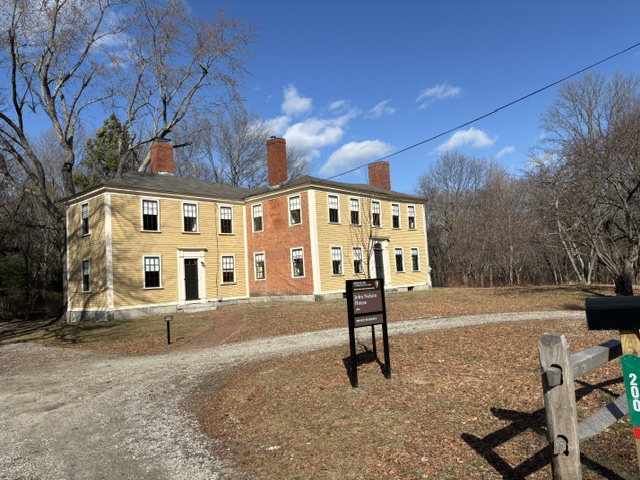

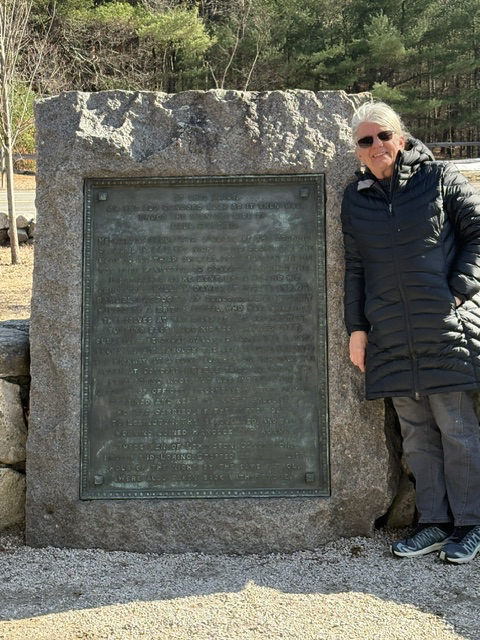
Read More From Nancy
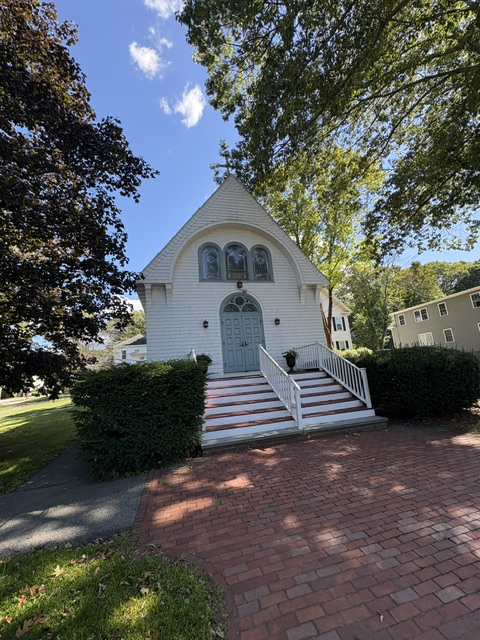
St Joseph Church
Tucked quietly along the border of Lincoln and Weston, St. Joseph Church is easy to pass without a second glance. Yet this modest white chapel tells the story of a changing New England community and the families who made it their spiritual home for more than a century. The church was established in 1906 to […]

Field of Rocking Horses
Driving through the quiet back roads of Lincoln, we came suddenly upon an open field dotted with a whimsical collection of rocking horses. The display feels unexpected, especially in a town better known for its colonial roots, preserved landscapes and literary connections. The horses themselves feel like folk art arranged outdoors thatcher than tucked into a gallery. We […]

Codman Estate
The Codman House in Lincoln, known as The Grange, stands as one of the most elegant and layered historic homes in Massachusetts, and is another home that we have visited often. There is something about returning to a place like this that deepens appreciation with each visit. Build around 1747, and later expanded, the house […]

