1830 Sign
Long before wagon trains crossed the plains and Salt Lake City rose, before Brigham Young became a national religious figure, there was a blacksmith’s shop in this Massachusetts town.
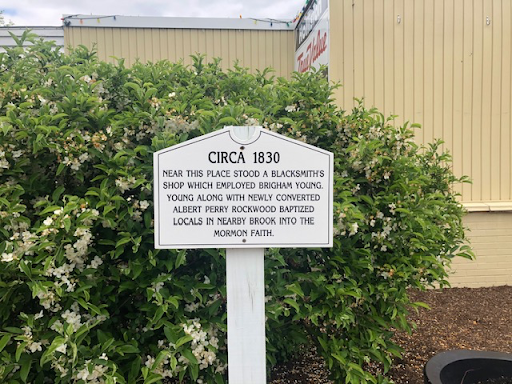
The 1830s in New England were years of revival, reform and religious searching. This was the era of the Second Great Awakening, when revival meetings, itinerant preachers, and religious movements moved through towns and villages. In 1832, Brigham Young, a tradesman by profession, was baptized into what would become The Church of Jesus Christ of Latter-day Saints. Soon after his conversion, he began traveling and preaching throughout New York and New England.
During this period, Young spent time in Massachusetts, where he connected with Albert Perry Rockwood, a local resident who also embraced the new faith. In those early days, there were no church buildings, no formal congregations. Baptisms were performed in brooks and rivers.
This sign preserves a moment and reminds us that great movement often begin quietly, in small towns, long before the world takes notice.
Read More From Nancy
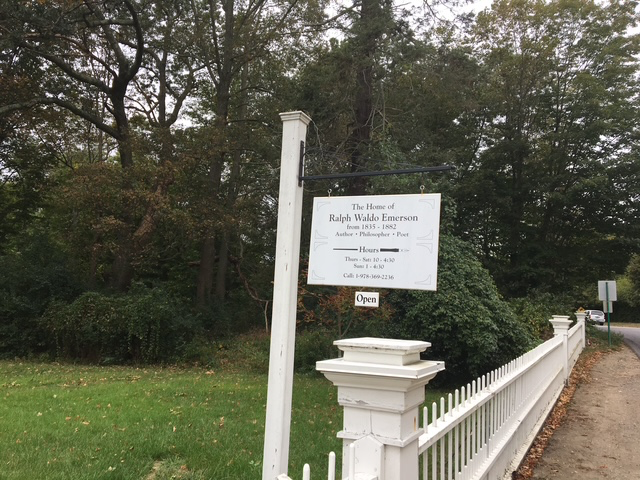
Ralph Waldo Emerson’s House
When you step inside Ralph Waldo Emerson’s house in Concord, MA, you can feel the presence of a man whose ideas helped shape American thought. One of the objects in the entry hall of his home is his walking cane. This is the same cane he carried on his daily walks that inspired so many of […]
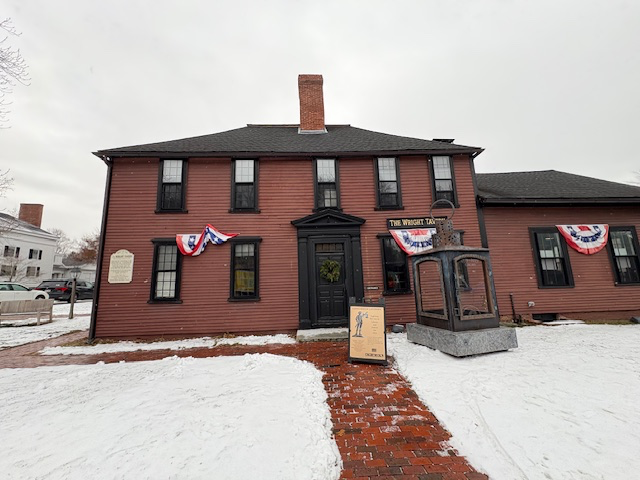
The Wright Tavern
Standing in the center of Concord, Massachusetts, the Wright Tavern has witnessed some of the most important moments in American history. Built in 1747 by Amos Wright, the tavern quickly became a gathering place where travelers, townspeople, and political leaders exchanged news and ideas. In colonial New England, taverns served not only as inns but […]
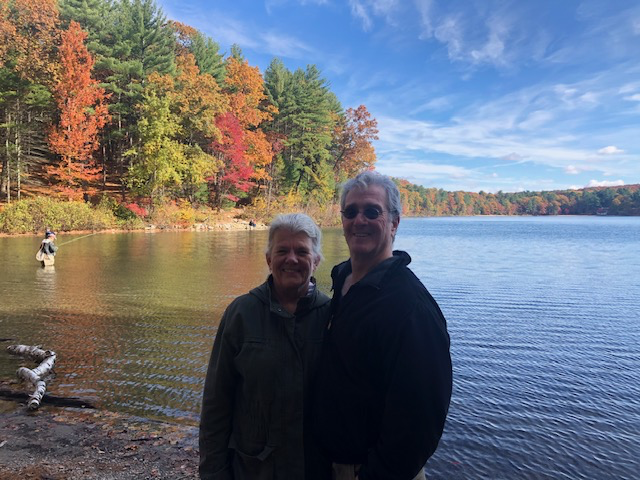
Walden Pond
Where do I even begin with a town like Concord, a place so steeped in history that nearly every road, field and footpath seems to carry a story. This is a community that does not shy away from its past. Concord remembers, it marks, it preserves, and it invited visitors to slow down long enough […]

