Sacre-Coeur Cathedral
Rising above the rooftops of Paris from the summit of Montmartre, the domes of Sacre-Coeur dominate the skyline. From almost anywhere in the city, the basilica’s white stone catches the light by day and glows softly at night, anchoring the northern horizon.
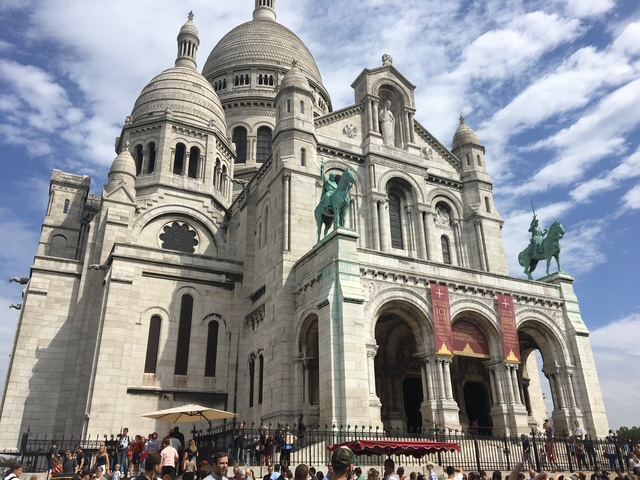
The church was conceived in the emotional aftermath of France’s defeat in the Franco-Prussian War and the turmoil of the Paris Commune. Supporters vowed to build a grand sanctuary dedicated to the Sacred Heart of Jesus as a gesture of repentance and hope for the nation. Parliament approved the project in 1873, and construction began two years later. With political controversy, funding challenges and the disruption of World War I stretched the timeline, and the basilica was not consecrated until 1919, nearly forty years after the first stones were laid.
Its appearance marked a drastic departure from the Gothic cathedrals that defined so much of medieval Paris. Part of the basilica’s magic lies in its color. Built from Chateau-Landon travertine limestone, the stone releases calcite when rain falls, giving the surface a pale and luminous surface. Even after more than a century, the Sacre-Coeur continues to shine.
For some, this monument symbolized a conservative reaction to revolutionary ideals because of its location atop Montmartre. This is a quarter of Paris long associated with radical politics, working-class activism and bohemian artists.
As generations passed, Sacre-Coeur slowly detached from the passions that shaped its birth. Pilgrims came to pray. Tourists climbed the steps for the view. Artists sketched its domes. Today the basilica is inseparable from Paris. It is a working church, a monument to a turbulent chapter of national history and one of the capital’s most cherished vantage points.

Read More From Nancy
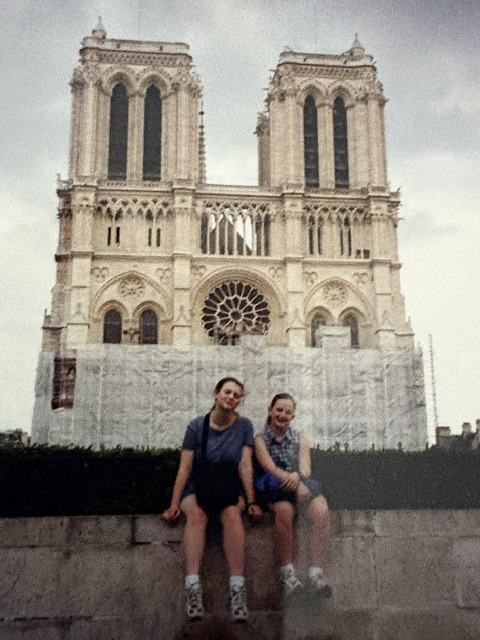
Notre-Dame de Paris
When our family traveled to France in 1997, one of the places we visited was Notre-Dame de Paris. Standing on the Île de la Cité in the Seine, the cathedral has occupied the historic and spiritual center of Paris for more than eight centuries. Long before the Eiffel Tower became the city’s most recognizable landmark, the […]
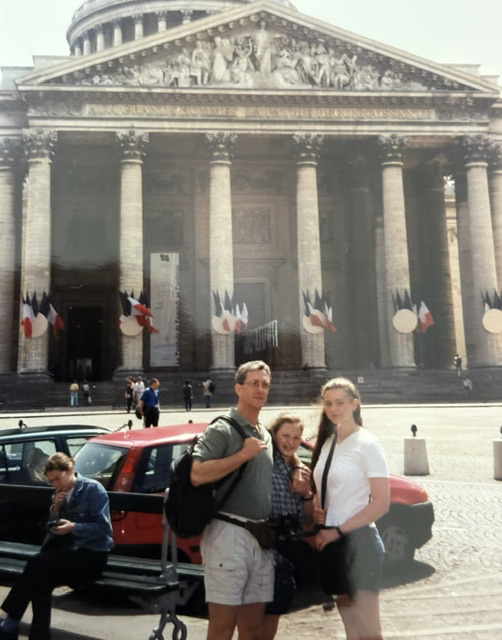
The Panthéon
During our family vacation to France, we visited the Panthéon in the Latin Quarter of Paris. Its massive columns, triangular pediment, and soaring dome give it the appearance of an ancient temple standing in the middle of the modern city. The building was commissioned by King Louis XV as a church dedicated to Saint Geneviève, […]
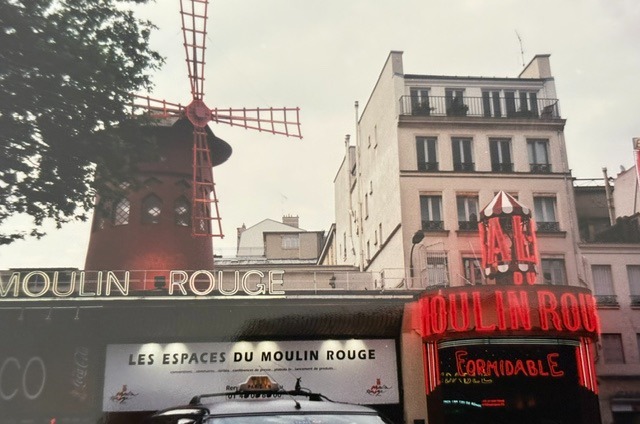
The Moulin Rouge and Its Red Windmill
Above the entrance to the Moulin Rouge, a red windmill announces one of Paris’s most famous places of entertainment. Its name means “Red Mill”, and the windmill has been part of its identity since the cabaret opened on October 6, 1889, at the foot of Montmartre. Founded by Joseph Oller and Charles Zidler, the Moulin […]

