Craters of the Moon National Monument
Another solo driving tour took me through Idaho. There were early mornings on those roads when the light stretched across open land and I found myself wishing someone else could see what I was seeing. Some landscapes feel almost too vast to keep to yourself. I knew there was no way I could fully describe it.
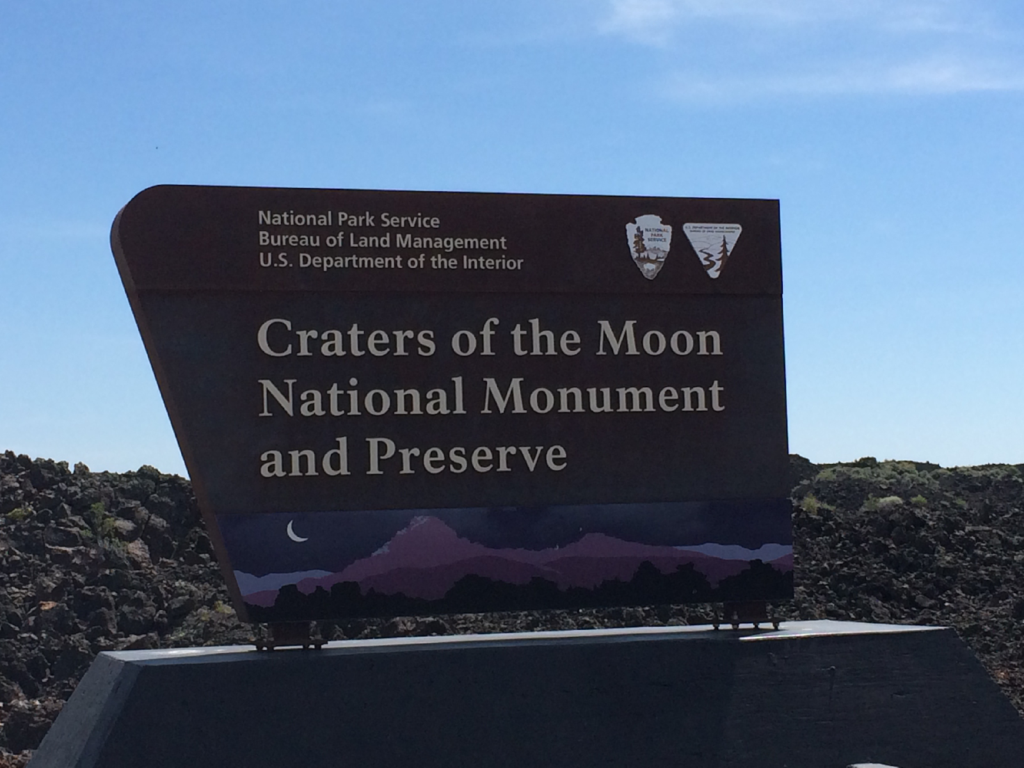
One of those drives led me to Craters of the Moon.
The name alone captures imagination. Early explorers crossing this part of the Snake River Plain described the terrain as barren and jagged. In 1879, a pioneer named Robert Limbert later wrote that the region looked like “a weird and scenic landscape” that resembled the surface of the moon.
Driving into this monument, the landscape shifts from sagebrush plains to black volcanic rock. Lae flows hardened into twisted formations. Cinder cones rise sharply from the ground. Lava tubes lie beneath the surface.
The volcanic field was formed by a series of eruptions over the past 15,000 years, with some flows as recent ast 2,000 years ago. This area is part of a fissure system, cracks in the earth’s crust that allowed lava to spread outward across miles of land.
Craters of the Moon was designated a National Monument in 1924 by President Calvin Coolidge to preserve this unique volcanic landscape. In 2000, the monument was expanded and redesignated as a National Monument and Preserve to further protect a much larger portion of the lava field.
NASA astronauts once trained here in the 1960s because the terrain resembled the surface of the moon. On this solo drive, here was one of those moments I wished I could have shared this landscape with someone else.
Read More From Nancy
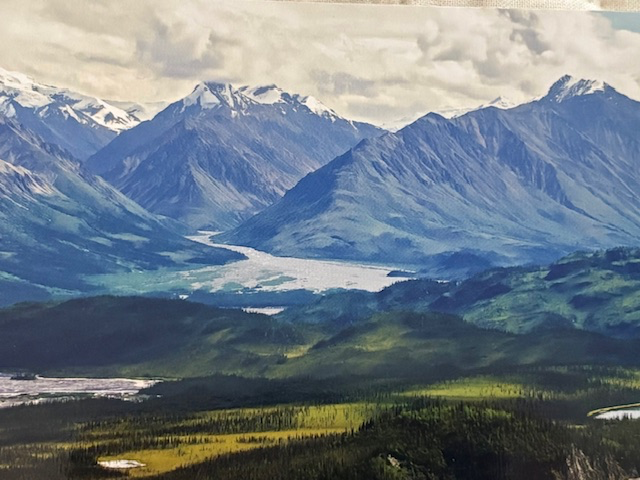
Wrangell-St. Elias National Park
Wrangell-St. Elias National Park and Preserve was part of our 2014 trip to Alaska. We drove into the Wrangell area, and what I most remember is the vast and distant everything felt. This is not an easy part to access. Roads are limited and distances are long. Most of the park is still reached by small […]
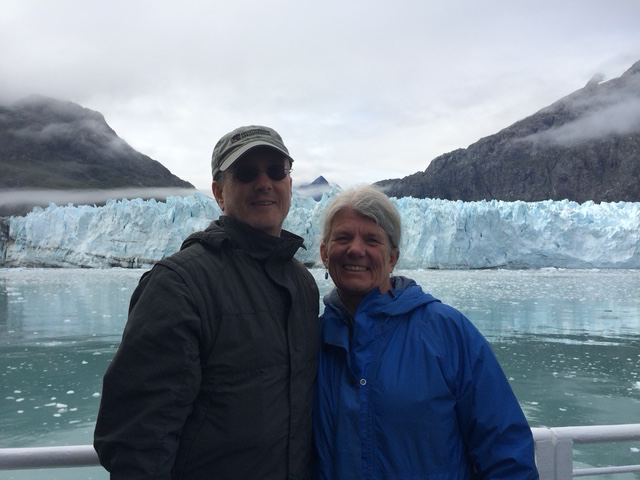
Glacier Bay National Park
Alaska is just a massive state, and it was on our second visit that we set our sights on traveling into Glacier Bay National Park. Stories of John Muir traversing the same area inspired us to want to journey where he also traveled, into the waters and fjords he once explored by canoe. It […]
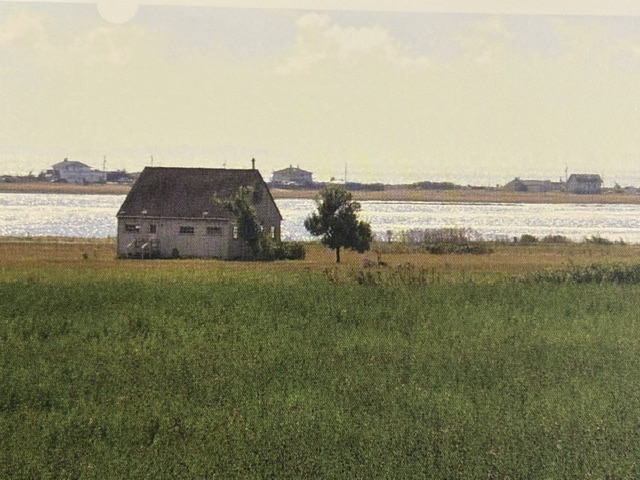
Ebey’s Landing National Historical Reserve
Ebey’s Landing National Historical Reserve on Whidbey Island preserves a landscape where the history of the Pacific Northwest can still be seen in the land itself. Open fields stretch toward Puget Sound, historic farm buildings remain part of the countryside, and forests and shoreline surround communities whose stories reach back generations. In 1792, Captain George […]

