Pony Express National Historic Trail
In the wide-open landscapes of the American West, communication was once slow, uncertain, and often perilous. Long before telegraph wires stretched across the continent, letters were the only way to stay connected across the plains, deserts and mountain ranges. Carrying the mail by horseback became one of the boldest experiments in frontier logistics ever attempted.
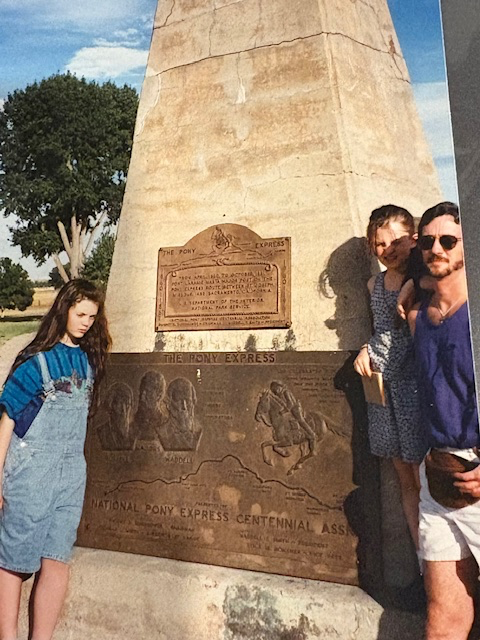
This daring system would come to be known as the Pony Express National Historic Trail, a route etched into legend, defined by speed, endurance and the relentless push to link a growing nation from coast to coast.
Though the service lasted only about eighteen months before being eclipsed by the transcontinental telegraph, its legend endured. This is in part because one of the former riders, Buffalo Bill Cody, transformed his frontier experiences into worldwide fame through his Wild West shows, shaping how generations would image the daring riders of the Pony Express.
The Pony Express route was formally protected in 1978, when President Jimmy Carter signed the legislation designating it as part of the National Historic Trails System. That act ensured the corridor riders once raced across, through the plains, deserts and mountain passes, would be preserved, and marked for future generations to follow across the American landscape.
Today, the trail is administered by the National Park Service, with physical reminders scattered across the terrain. One of these markers stands in Nebraska, near Scotts Bluff National Monument. Here we are standing beside this quiet column, at a place that preserves the corridor where brave riders once thundered past on horses.
Monuments, like this, are a reminder of the extraordinary journeys that once passed through this landscape.
Read More From Nancy
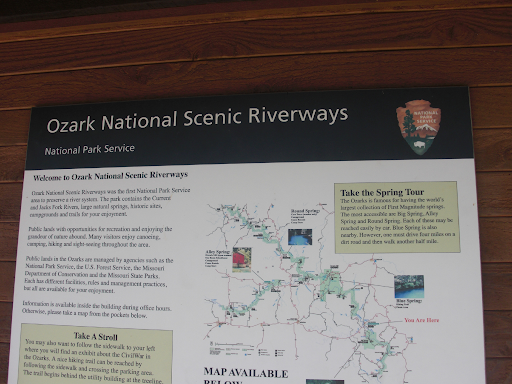
Ozark National Scenic Riverways
Traveling into the Ozarks of Missouri, I came to the Ozark National Scenic Riverways, a place defined not by mountains or monuments, but my water. Here the landscape is shaped by two rivers: The Current River and the Jacks Fork River, both fed by some of the largest natural springs in the country. The water is clear, […]
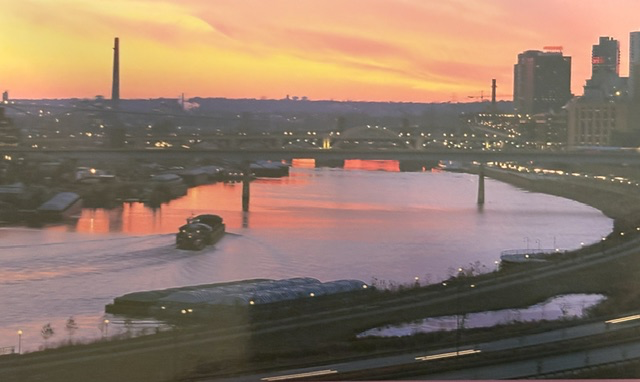
Mississippi National River and Recreation Area Minneapolis
While we were in Minneapolis teaching, we took some time to explore the Mississippi River. I had always associated the Mississippi with places much farther south, so it was particularly interesting to see the river here in Minnesota, relatively near the beginning of its long journey across the country. The Mississippi begins at Lake Itasca […]
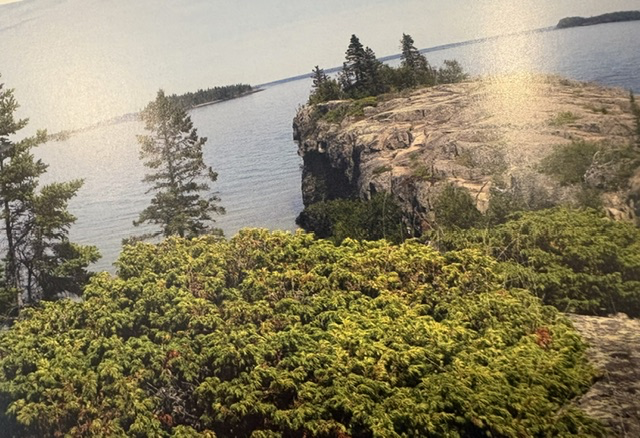
Isle Royale National Park
Accessible only by boat or seaplane, Isle Royale National Park occupies an isolated archipelago in the northwestern waters of Lake Superior. The park encompasses more than 850 square miles, including the main island, approximately 450 smaller islands and the surrounding submerged lands. It is the largest federally designated wilderness area in Michigan. The landscape is […]

