De Soto National Memo – Florida
While vacationing in Florida, I took a quiet morning drive to the De Soto National Memorial, which is a peaceful stretch of shoreline along Tampa Bay. While in this quiet spot, it is hard to imagine the historical weight of what unfolded here five centuries ago.
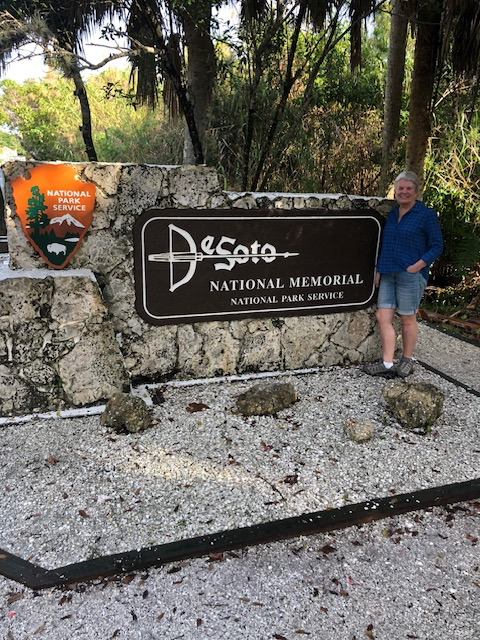
Located in Bradenton, the memorial marks the area where Spanish explorer Hernando de Soto is believed to have landed in 1539 with hundreds of soldiers, sailors and enslaved people. Their arrival launched devastating expeditions in early North American history. This was the start of a four-year journey through what are now Florida, Georgia, the Carolinas, Tennessee, Alabama, Mississippi, Arkansas and Texas.
The expedition spread European diseases to Indigenous communities, seized crops and labor and sparked violent confrontations that disrupted societies built over centuries. Even in places the Spaniards passed through briefly, populations declined, villages vanished and systems weakened.
The setting of this site today is serene. Walking the waterfront trails, I was struck by how understated the place feels. Here, we walked in a place that looks timeless, but it once served as the threshold to a continent venture that reshaped indigenous societies and European ambitions. This site invites us to grapple with the layered and complicated legacy of European exploration in the Americas.
This legacy was recognized when Congress established the De Soto National Memorial in 1948 and legislation was signed by Harry S. Truman. What happened here in 1539 radiated outward across thousands of miles and countless lives.
This is why visiting national sites in person matters.
Read More From Nancy
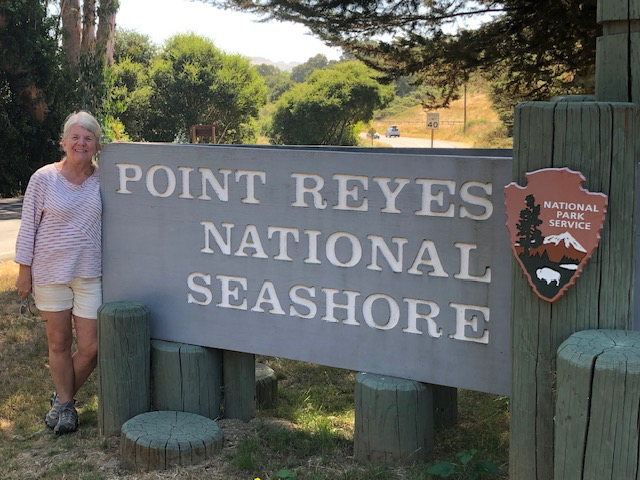
Point Reyes National Seashore – California
A great place to walk just outside of busy San Francisco is Point Reyes National Seashore. Within an hour of the city, you step into open coastline, rolling hills and windswept trails that feel wonderfully removed from urban life. This stunning stretch of California coastline was protected in 1962, when it was signed into law […]
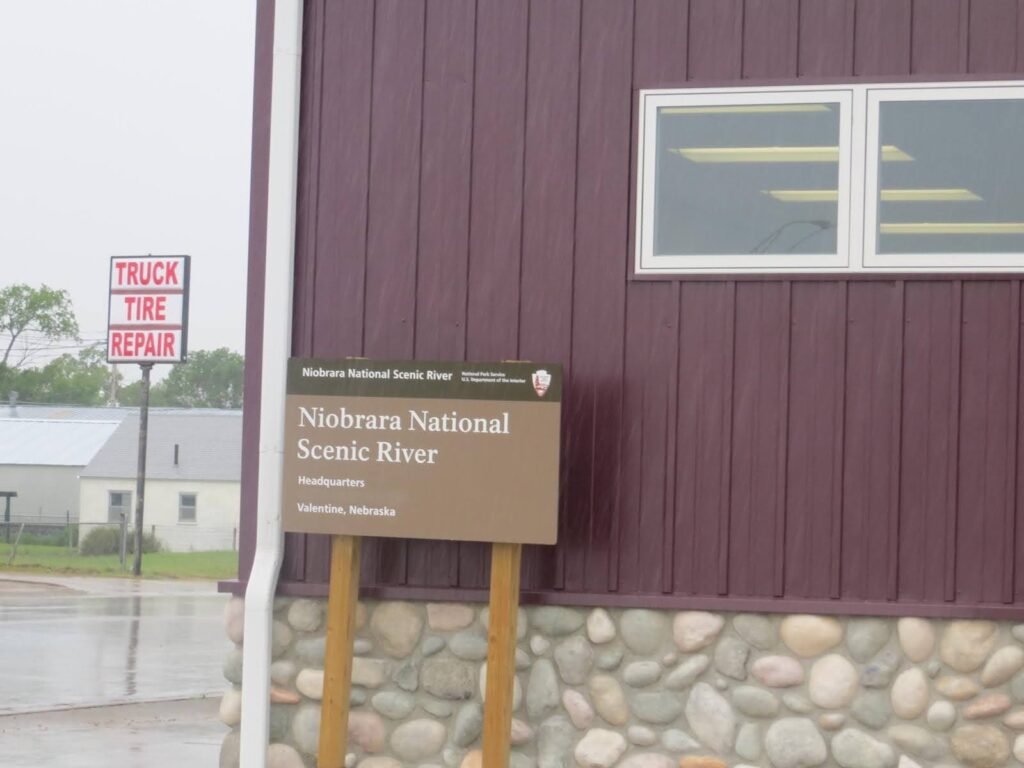
Niobrara National Scenic River – Nebraska
Some National Park sites are immersive, day-long explorations. Others are quick stops, places we discover while driving through an area without the luxury of lingering. But even on those shorter visits, I will always stop at the visitor center. I want to understand why this land is protected. What happened here? What story is layered beneath […]
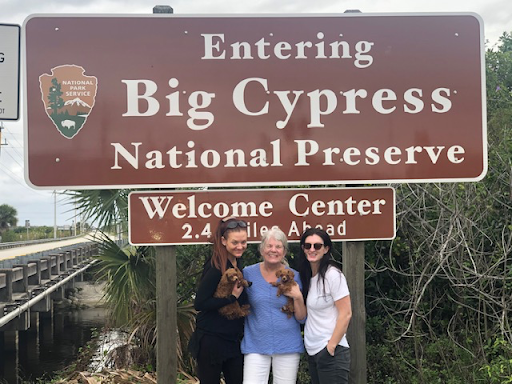
Big Cypress – Florida
Big Cypress is not exactly a national park, but a national preserve. A national preserve allows certain traditional uses to continue while still protecting the land. When Congress established Big Cypress in 1974, it became one of the very first two national preserves in the country, Big Cypress protects nearly 729,000 acres of land, making […]

