Basilica of St Francis
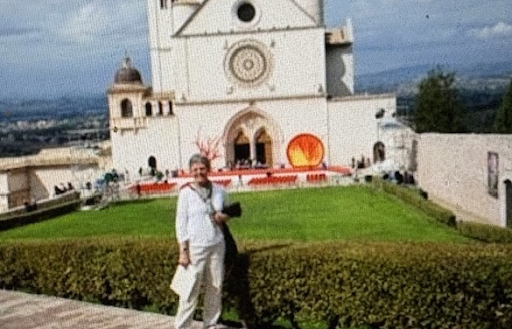
The Basilica of Saint Frances of Assisi was built after the death of Saint Francis of Assisi in 1226. St Francis had lived a life defined by humility, poverty and service to others, and his followers wanted a place that could honor him as well as welcoming pilgrims from across Europe. Construction began in 1228, soon after his death.
The exterior is built from pale stone quarried from nearby Mount Subasio and at its center is the circular rose window. The design is simple and balanced reflecting Francis’s belief in simplicity.
The basilica is two churches built one on top of the other, with a crypt beneath them. The crypt is where Saint Francis is buried. After Francis died in 1226, his followers were concerned about protecting his remains. He was already revered and there was fear that his body could be stolen. To prevent this, his body was buried secretly, hidden within the rock beneath this Basilica.
It was not until 1818 that Francis’s remains were rediscovered during excavations. Church authorities made the decision to honor Francis’s lifelong vow of poverty and place his remains in a simple stone tomb set directly into the rock of the hillside. The space is quiet and austere and as we descended into the crypt, we encountered silence rather than spectacle.
This approach reflects Francis’s radical message. He rejected wealth, power and status, and he chose to live and serve the poor. By preserving him in simplicity, the Church sought to ensure that the tomb would reflect his life.
Read More From Nancy
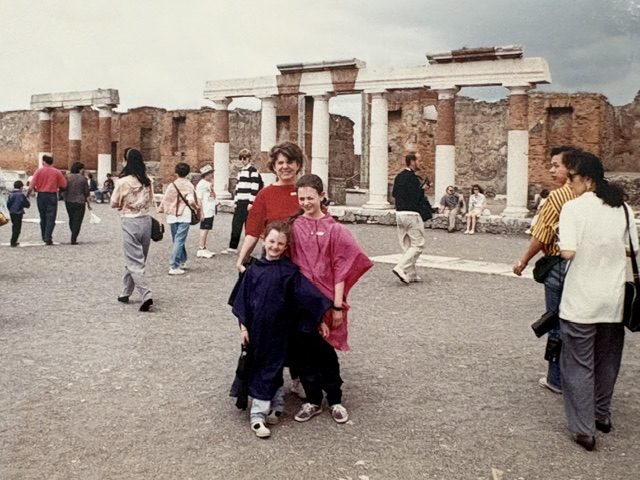
Pompeii
While traveling through Italy on a family vacation, we took a memorable tour of Pompeii. Walking through its excavated streets allowed us to experience the remains of an ancient city as more than a collection of ruins. Homes, shops, temples, public buildings, and gathering places still followed the arrangement of a community in which people […]
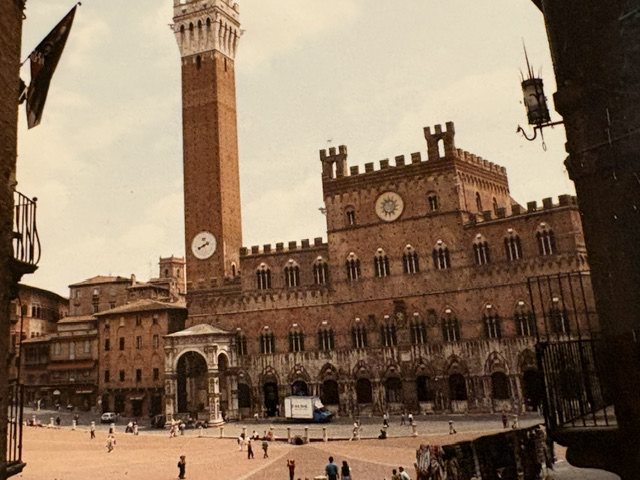
Piazza del Campo and Palazzo Pubblico
After walking through Siena’s narrow medieval streets, we emerged into the broad open space of the Piazza del Campo. The contrast was immediate. Confined passageways and closely grouped stone buildings suddenly gave way to a sweeping public square surrounded by centuries of civic architecture. The Piazza del Campo developed as the center of Siena’s political […]
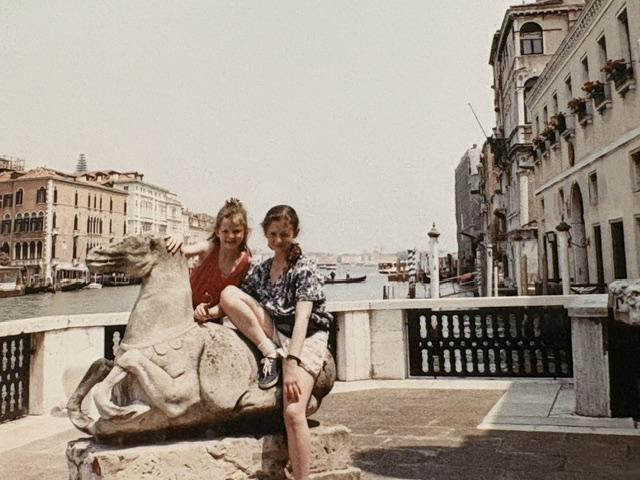
Peggy Guggenheim Collection
Palazzo Venier dei Leoni stands along Venice’s Grand Canal, but its appearance differs from the tall palaces surrounding it. Construction began during the eighteenth century for the Venier family, but only one level was completed. Its low profile and broad waterfront terrace eventually became part of the building’s distinctive character. Peggy Guggenheim purchased the unfinished […]

